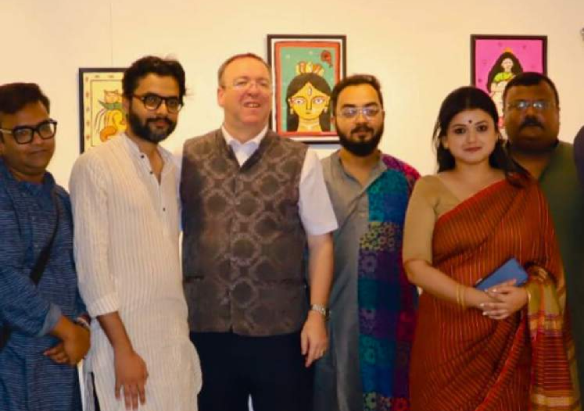
Chitropot is a collaborative initiative between KSCH and the South 24-Parganas Forest Division, unveiled at Gallery Gold in Kolkata in April 2024 to spotlight a nearly lost art form — Sundarban Patachitra, a traditional Bengal art form in which artists paint long, continuous narratives on cloth using colours made entirely from natural materials.
The exhibition featured over fifty cloth-based paintings and two extended narrative scrolls crafted by forty women artists from the Jharkhali Joint Forest Management Committee. Beginning in 2022, KSCH organized intensive training cycles where professional mentors taught traditional brush techniques, dye extraction methods and compositional design, emphasizing locally sourced pigments such as indigo from mangroves, soot-black and mineral reds. By securing fair-trade pricing and establishing urban and online sales channels, Chitropot has revived this cultural treasure while providing reliable income for the participating women artisans.
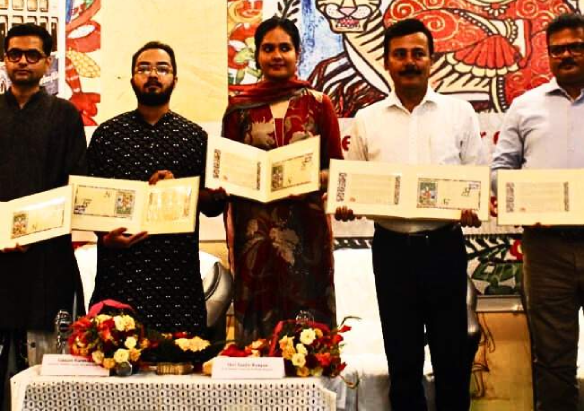
India Post marked the 11th anniversary of KSCH by issuing a Patachitra-themed special postal cover and matching stamp at the General Post Office in Kolkata — the first time the Indian Postal Service in this region has officially recognised the cultural revival of Patachitra in the Sundarbans.
The cover's artwork features motifs of mangrove flora and depictions of local folklore, while the stamp displays a detailed segment of a cloth scroll painted by women artisans trained under KSCH's Chitropot programme. The postal release ceremony, attended by senior officials and KSCH representatives, highlighted the society's decade-long efforts to restore this nearly lost art form and create sustainable livelihoods for the region's women.
Organised with I Am Kolkata and WBHIDCO, this international exhibition brought together nearly 40 artists from Bangladesh, France, Italy, the Netherlands, Canada and the UK, alongside a fine art workshop at Gaganendra Art Gallery and a live painting session on women's empowerment. The exhibition was inaugurated by the then Minister-in-Charge, Mr Firhad Hakim.
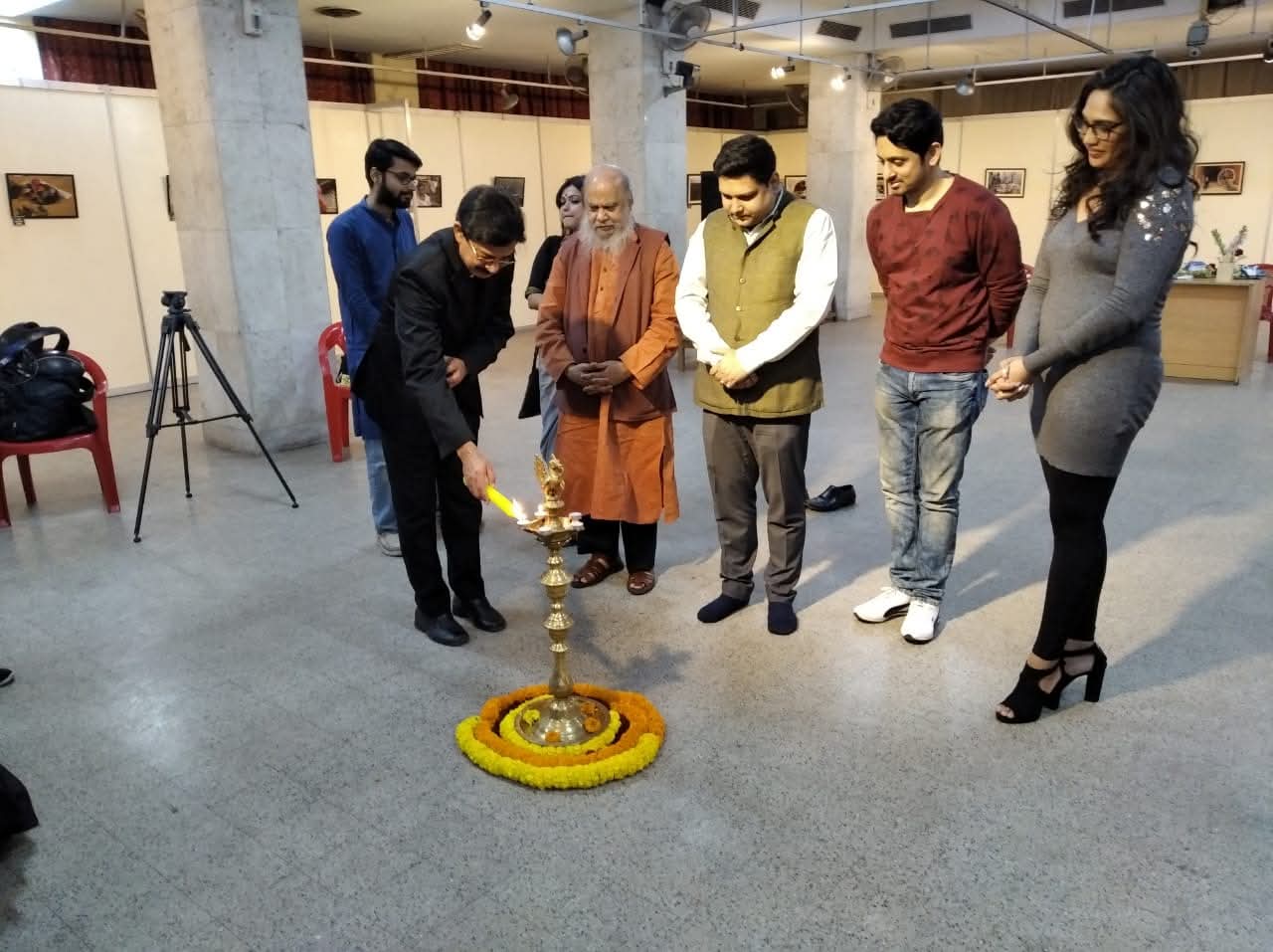
A three-day photography workshop and two-day exhibition brought 20 photographers from West Bengal to Pingla, Paschim Medinipur, to document Patachitra scroll painting, directly benefiting all 39 artisan families of the village. Supported by Sony India, the exhibition was held at Asutosh Birth Centenary Hall with the Indian Museum.
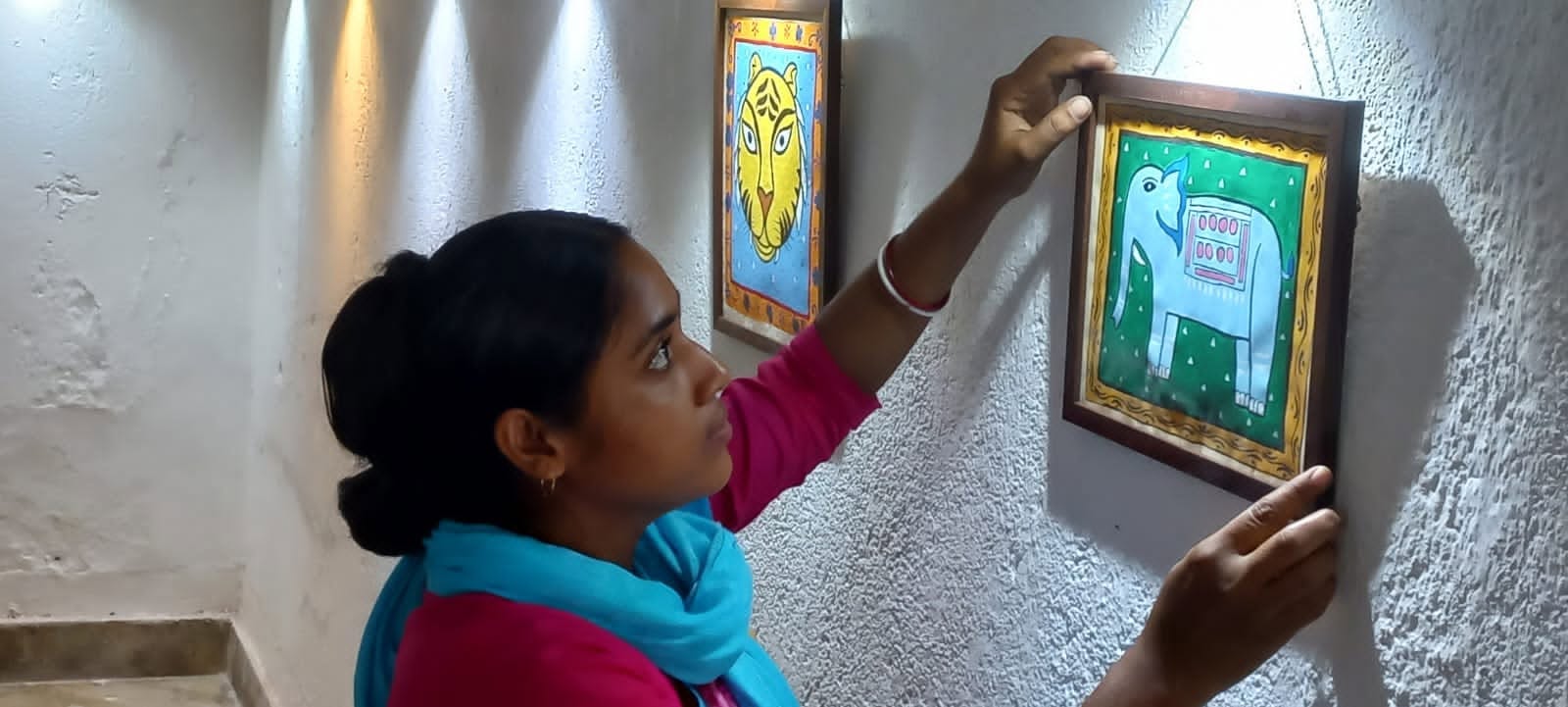
With the Sundarban Tiger Reserve, KSCH ran a four-month training programme for women around Sajnekhali Wildlife Sanctuary in scroll painting and hand-painted souvenirs — earthenware, hand fans, bookmarks, lanterns and T-shirts — sold through an exhibition-cum-sale at the Mangrove Interpretation Centre and now permanent outlets.
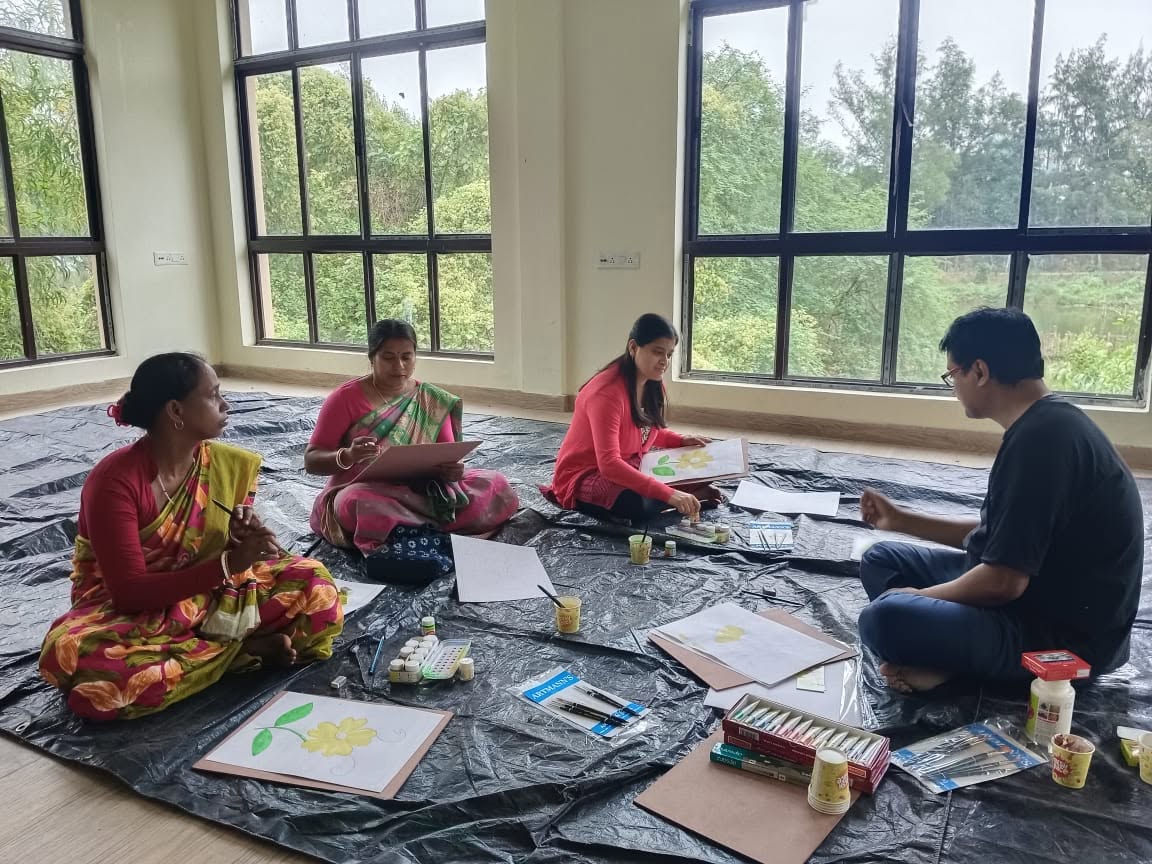
With the Sundarban Biosphere Reserve, 24 women from Jhorkhali and nearby villages were trained by expert artists in scroll painting and hand-painted earthenware, cups and souvenirs — sold directly to tourists in this popular gateway town, cutting reliance on forest-based work.
Held at Gallery Gold, Kolkata from 9–11 April 2023, this edition marked the first time Sundarbans artists presented revived Patachitra work directly to art collectors and international delegates, building on KSCH's collaboration with the Directorate of Forest, South 24 Parganas Division.
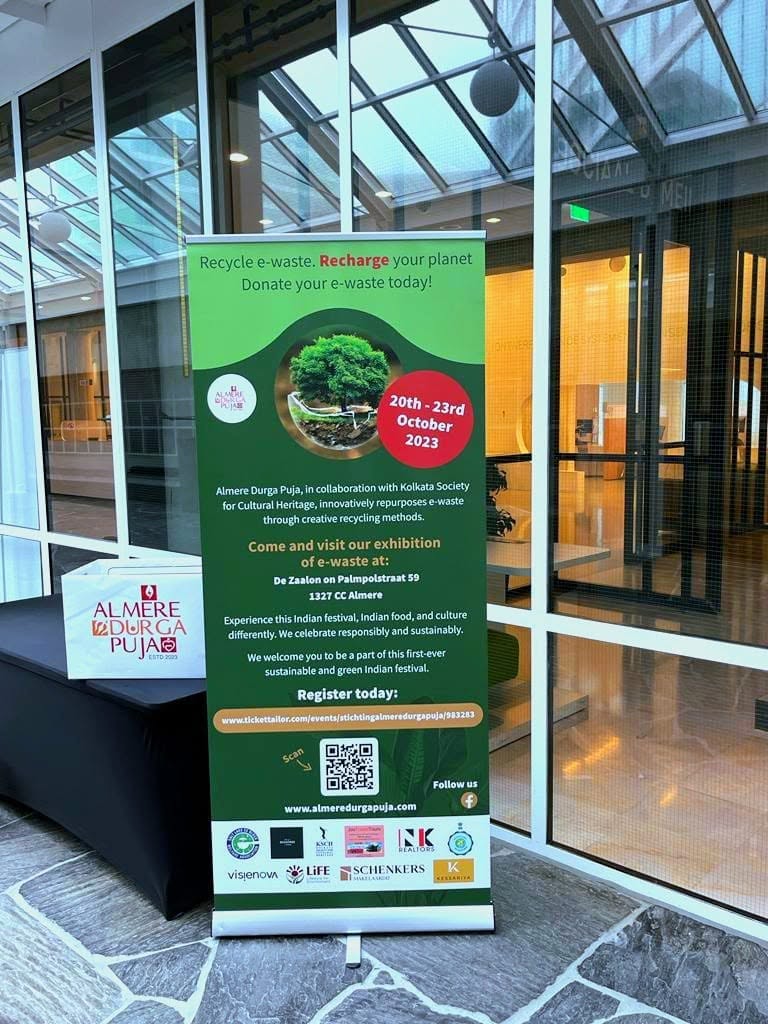
KSCH connected Almere Durga Puja in the Netherlands with Salt Lake's CE Block Durga Puja through a shared showcase of Sundarban Patachitra — the first overseas-Kolkata Puja twinning of its kind — inaugurated in the presence of the Mayor of Almere and the Indian Ambassador to the Netherlands.
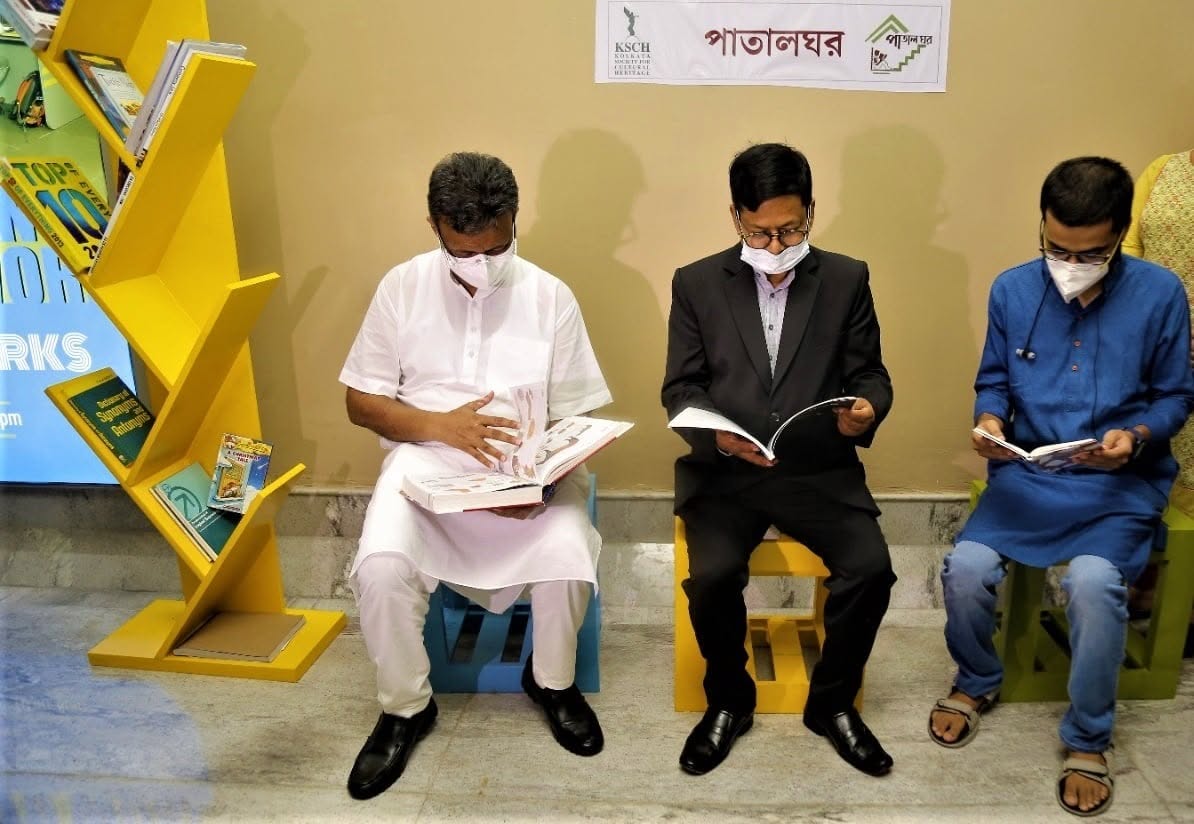
Set up in space provided by WBHIDCO and run by women from Self-Help Groups, Patalghor turned a Kolkata subway into the city's first bookstore and library — a public reading space that also provides its women managers with a sustainable livelihood.
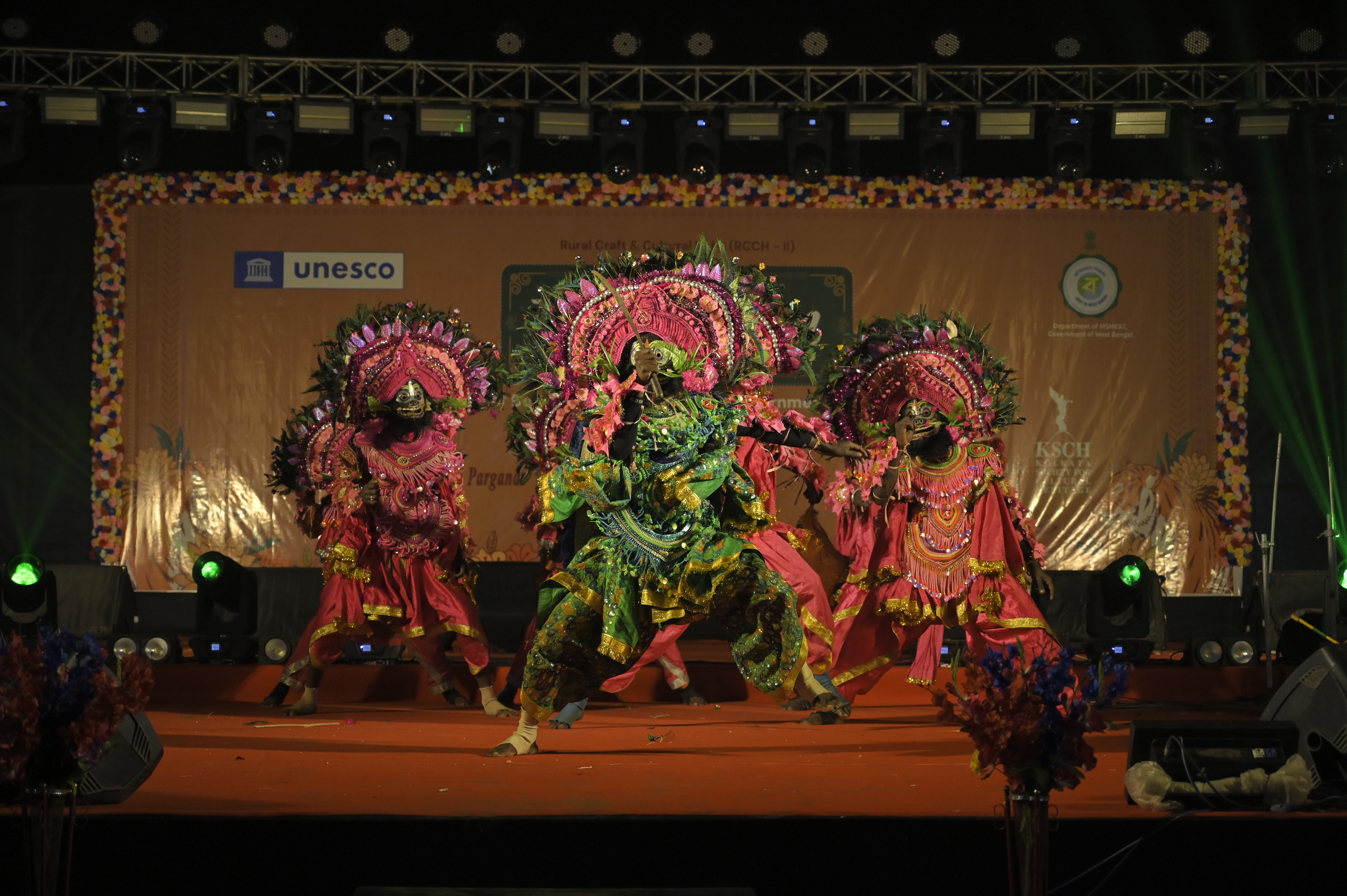
As UNESCO's implementation partner for the Performing Arts component of the Rural Craft and Cultural Hubs Programme, KSCH organised five village festivals — SundaRhythm in Sandeshkhali and Hingalgunj, MaatiRhythm in Nadia, Purulia and Birbhum — bringing Chhau, Baul & Fakiri, Jhumur, Bhawaiya, Gambhira, Bonbibir Pala, Raibenshe, tribal dance and string puppetry to rural stages and giving folk artists, artisans, women-led Self-Help Groups and youth a platform to be seen, heard and sustained.
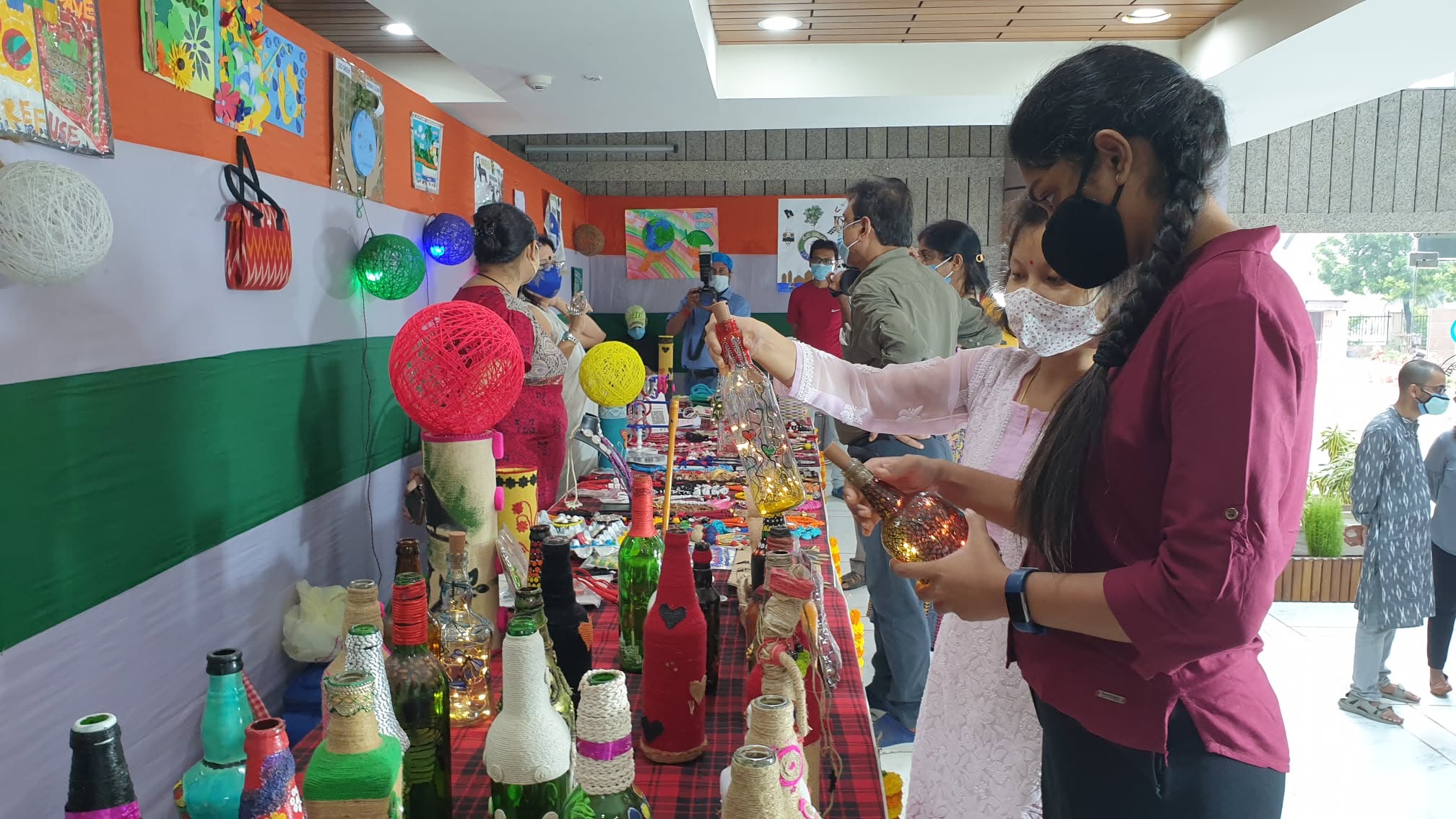
A sustainable waste management programme that supplied collected newspaper, plastic and textile waste to women's Self-Help Groups, who transformed it into marketable products. Direct market linkages and online/offline retail channels made the initiative self-sustaining while generating regular income for artisans.
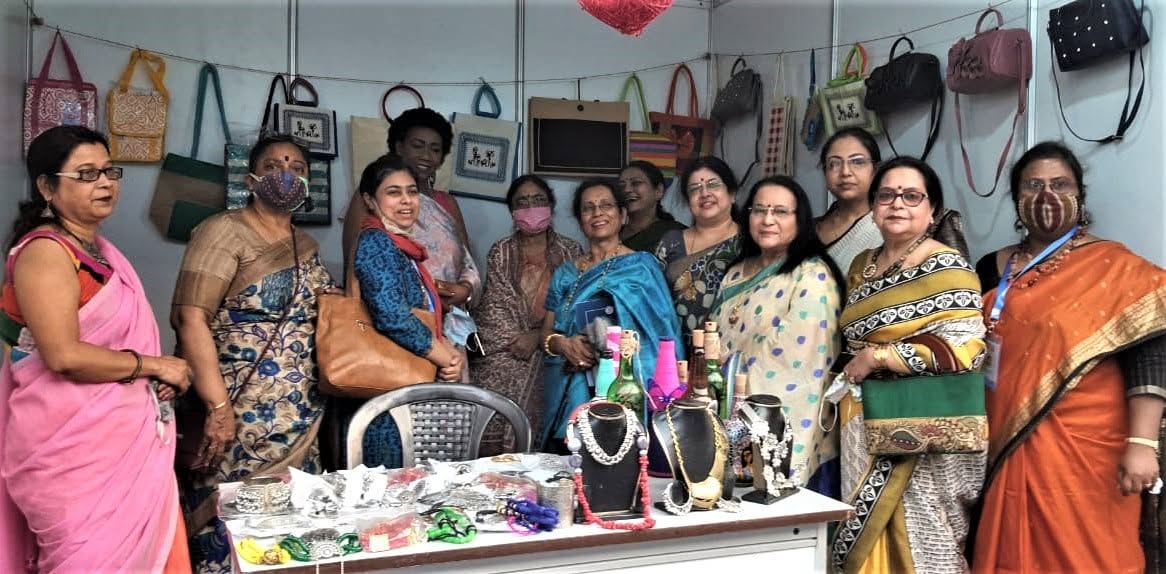
Entrusted by the State Urban Development Agency, KSCH verified and documented 765 of 792 Self-Help Groups across West Bengal along with their products and craftsmanship — now a key resource for agencies seeking to work with women-led SHGs.
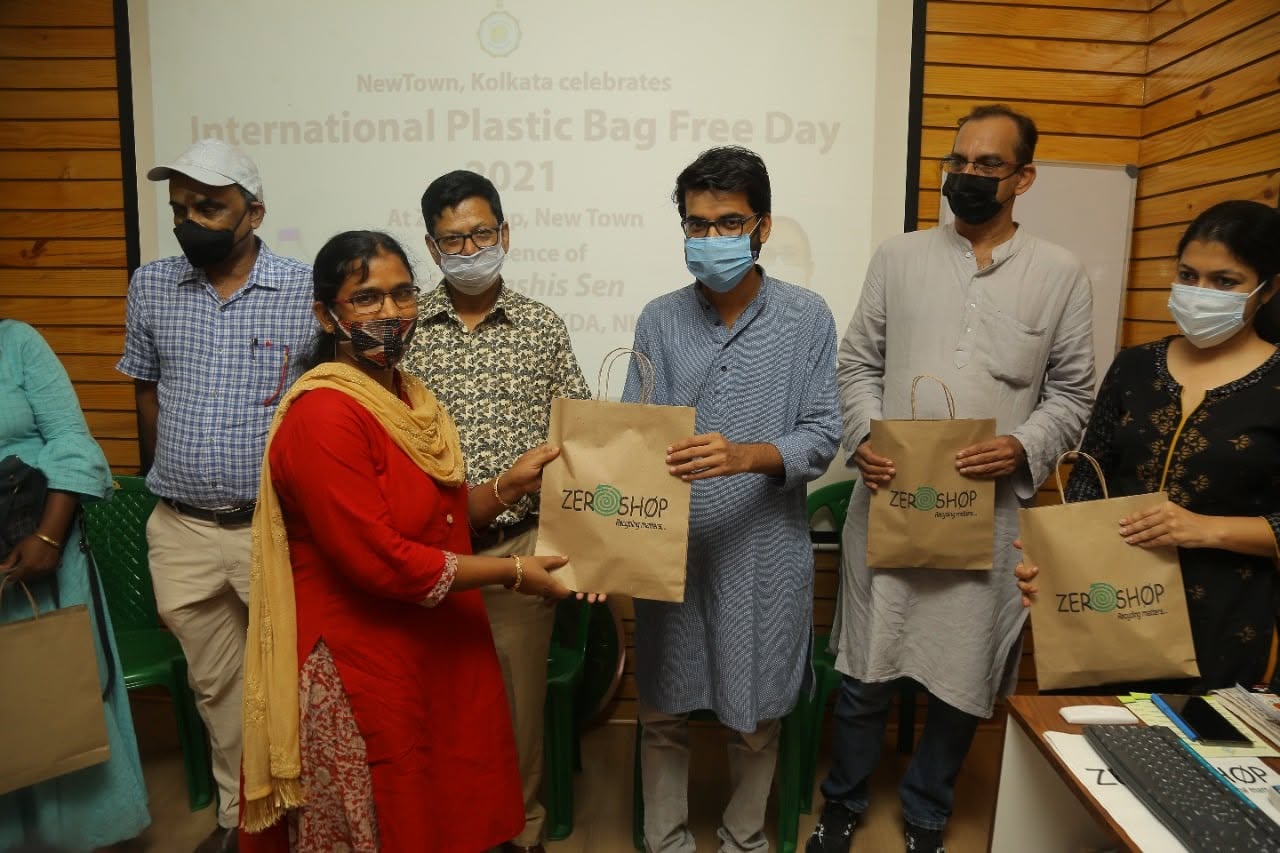
A dedicated space where Self-Help Group women, trained by expert artisans, transform discarded household materials into marketable products — doubling as a retail outlet and a citizen drop-off point for recyclable waste.
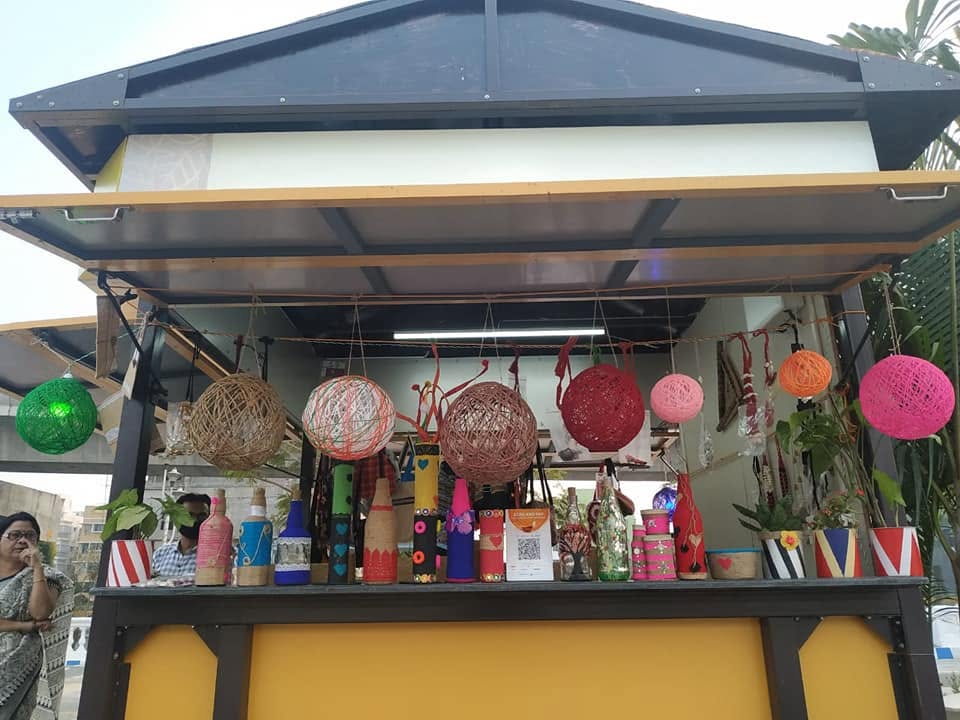
Operated entirely by women from Self-Help Groups and backed by NKDA, this New Town kiosk retails biodegradable, recycled and upcycled products — a sustainable livelihood source that also nudges consumer behaviour toward eco-friendly choices.
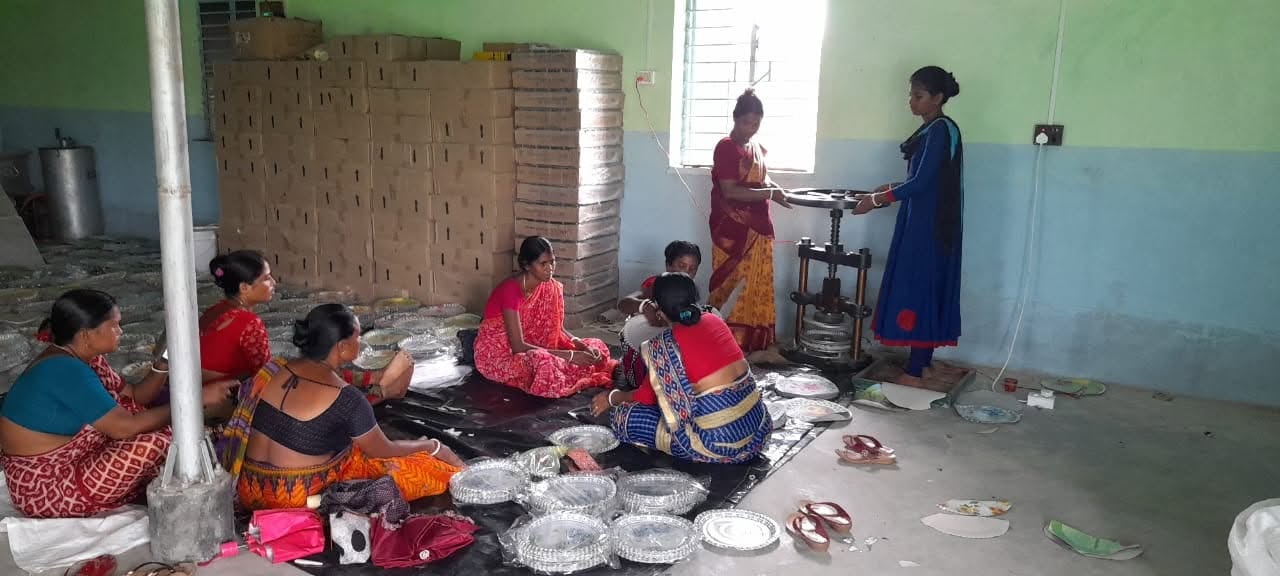
A biodegradable paper plate unit in Jharkhali engages 45 women from Self-Help Groups, producing roughly 4,500 plates a day and cutting single-use plastic in the fragile mangrove ecosystem while building sustainable micro-enterprise income.
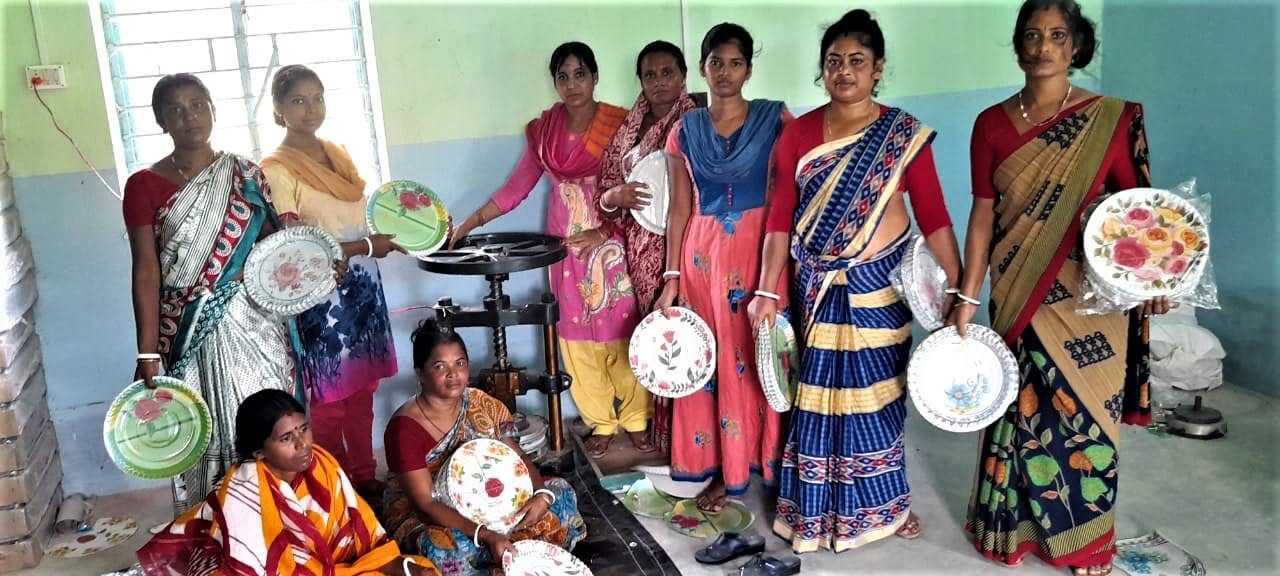
With the Sundarban Tiger Reserve, a second unit at Bally Island scaled from 500 to roughly 4,500 plates a day, winning over boat operators, hotels, homestays and shopkeepers and creating direct market linkages that removed intermediaries entirely.
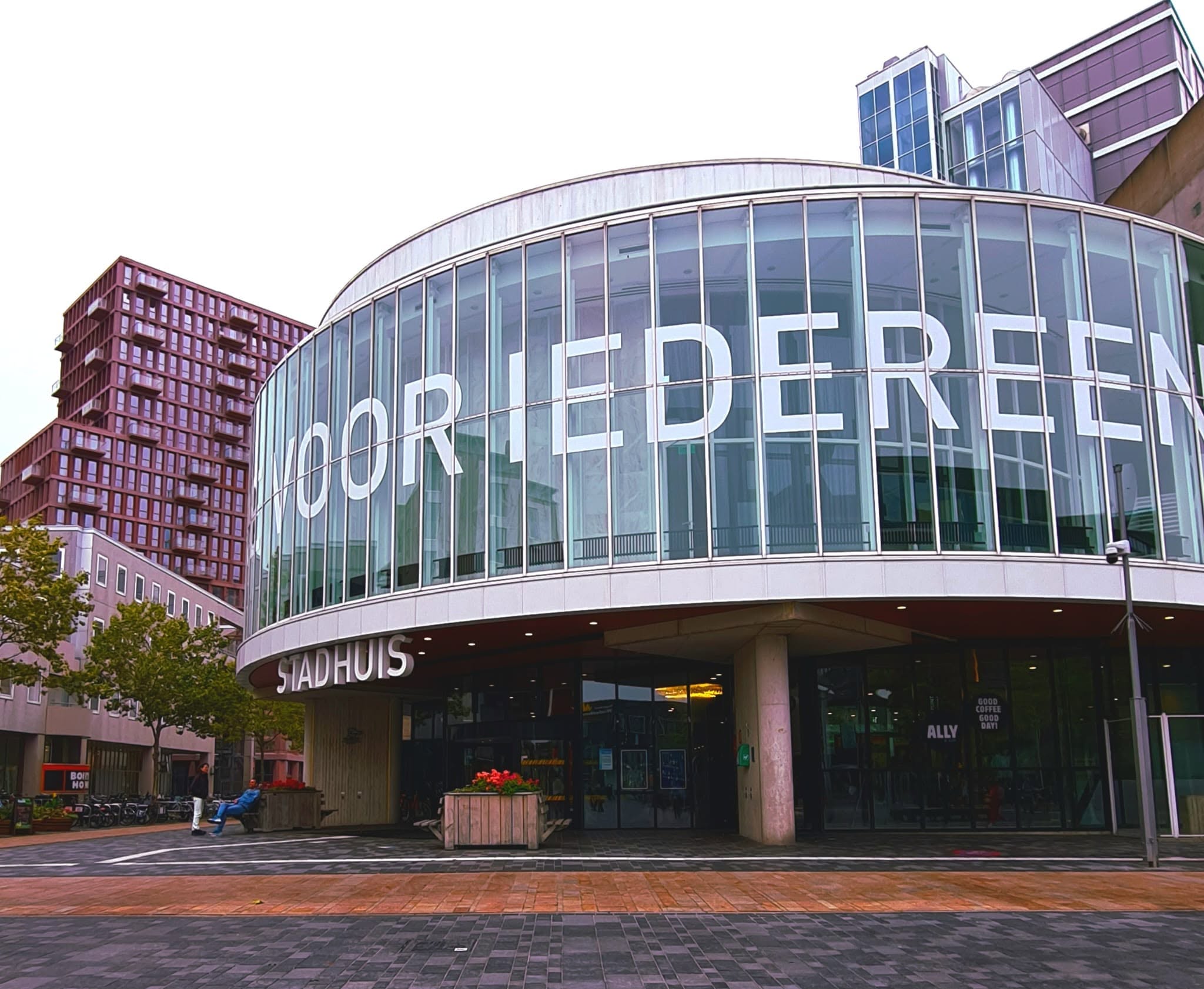
A Durga Puja committee in the Netherlands placed an order for paper plates made by Jharkhali's Self-Help Group women — opening an international market and boosting the confidence of the women entrepreneurs behind the product.
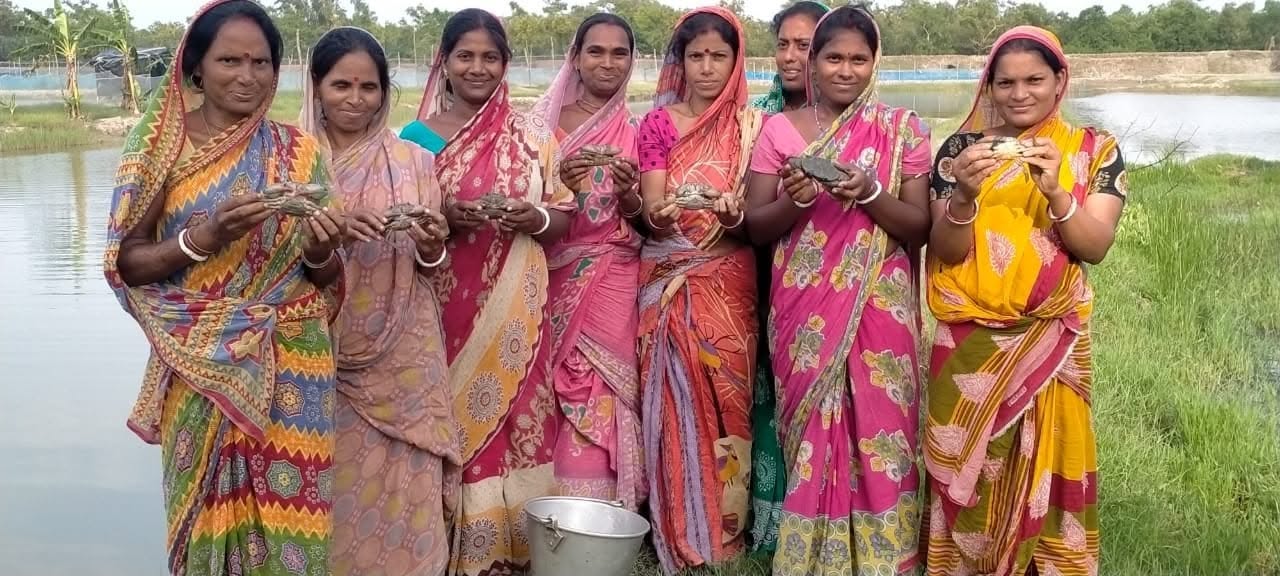
To keep villagers from entering protected forest to collect crab and shrimp, KSCH combined paper plate manufacturing with crab and shrimp cultivation across 40 Self-Help Groups in six forest-fringe villages, alongside training and direct market linkages.
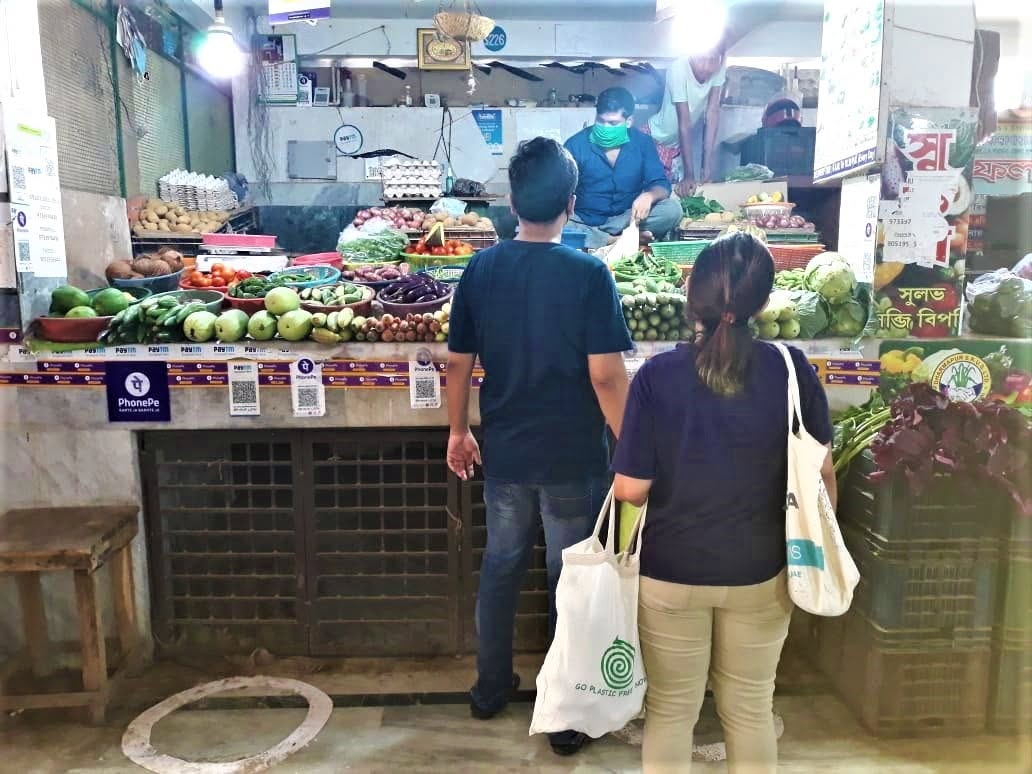
A two-year pilot with NKDA transforming the CB Block Community Market into a plastic-free marketplace across CA, CB, CC, CD and Shankalpa III & IV — replacing plastic carry bags with biodegradable alternatives through monthly door-to-door awareness campaigns.
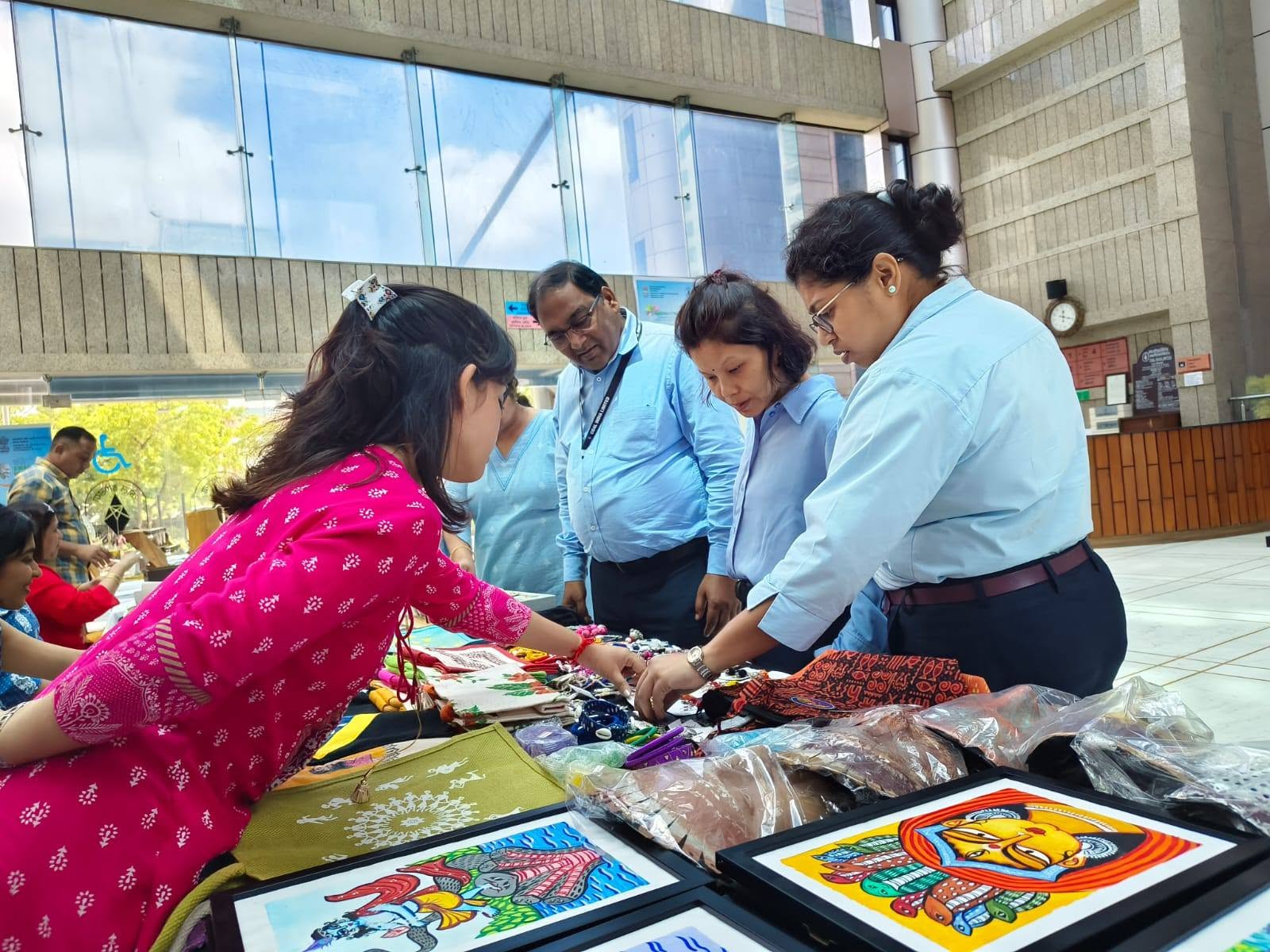
An exhibition-cum-sale at the CIL Atrium showcased upcycled products from 69 Self-Help Groups across West Bengal, with live artisan demonstrations. What began with 38 women has grown into a movement empowering more than 1,850 women through skill-building, entrepreneurship and market access.
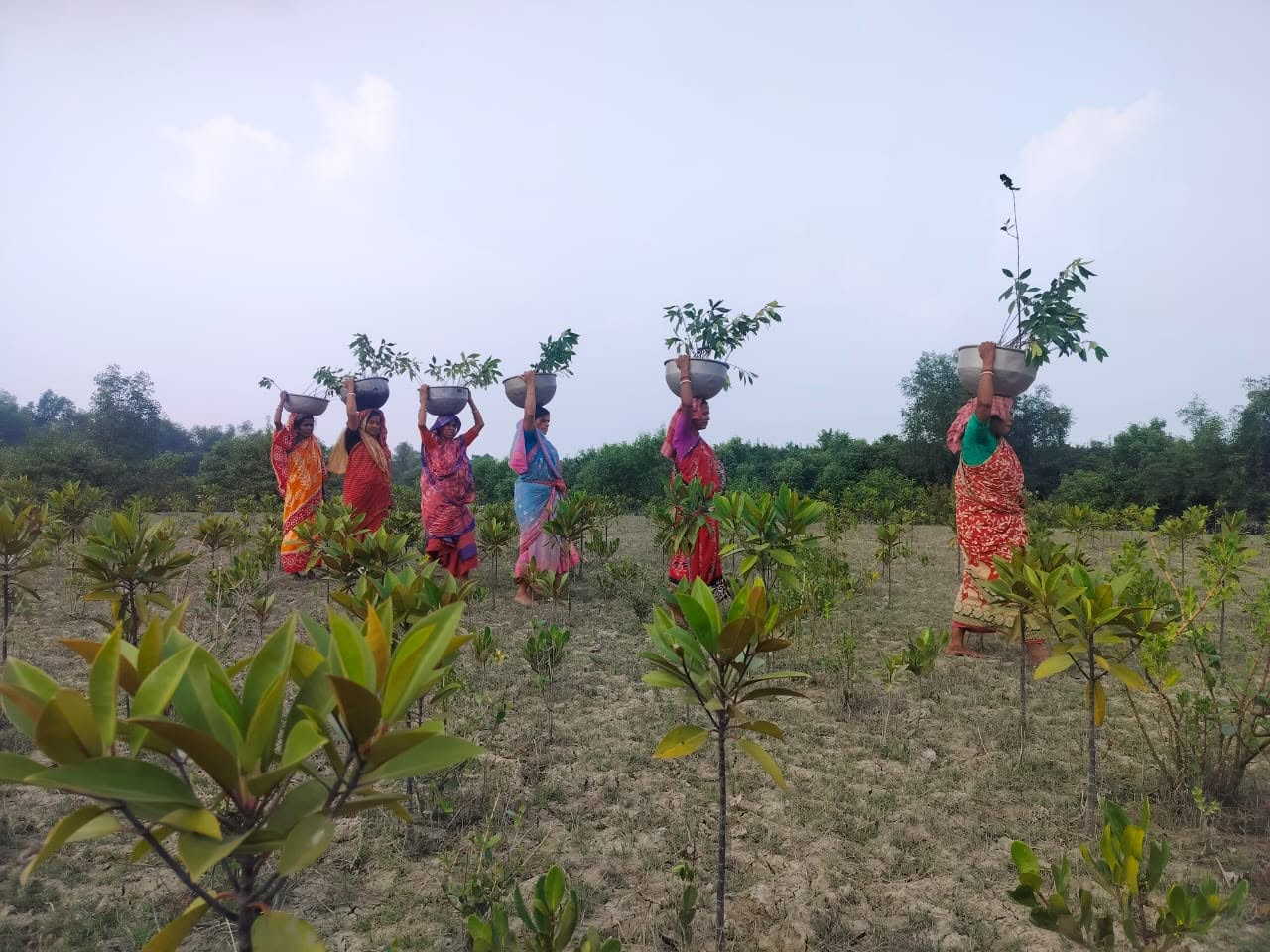
A collaborative effort between KSCH and Soroptimist International of South Kolkata — joined by expert volunteers from Germany and Scotland — led to the planting of over 48,000 mangrove saplings along the vulnerable shores of the Sundarbans.
Beyond strengthening embankments against erosion and storm surges, these mangrove forests serve as powerful "blue carbon" sinks, sequestering carbon at rates up to five times greater than terrestrial woodlands, while restoring habitats for fish, crustaceans and birds and offering income through fisheries and eco-tourism.
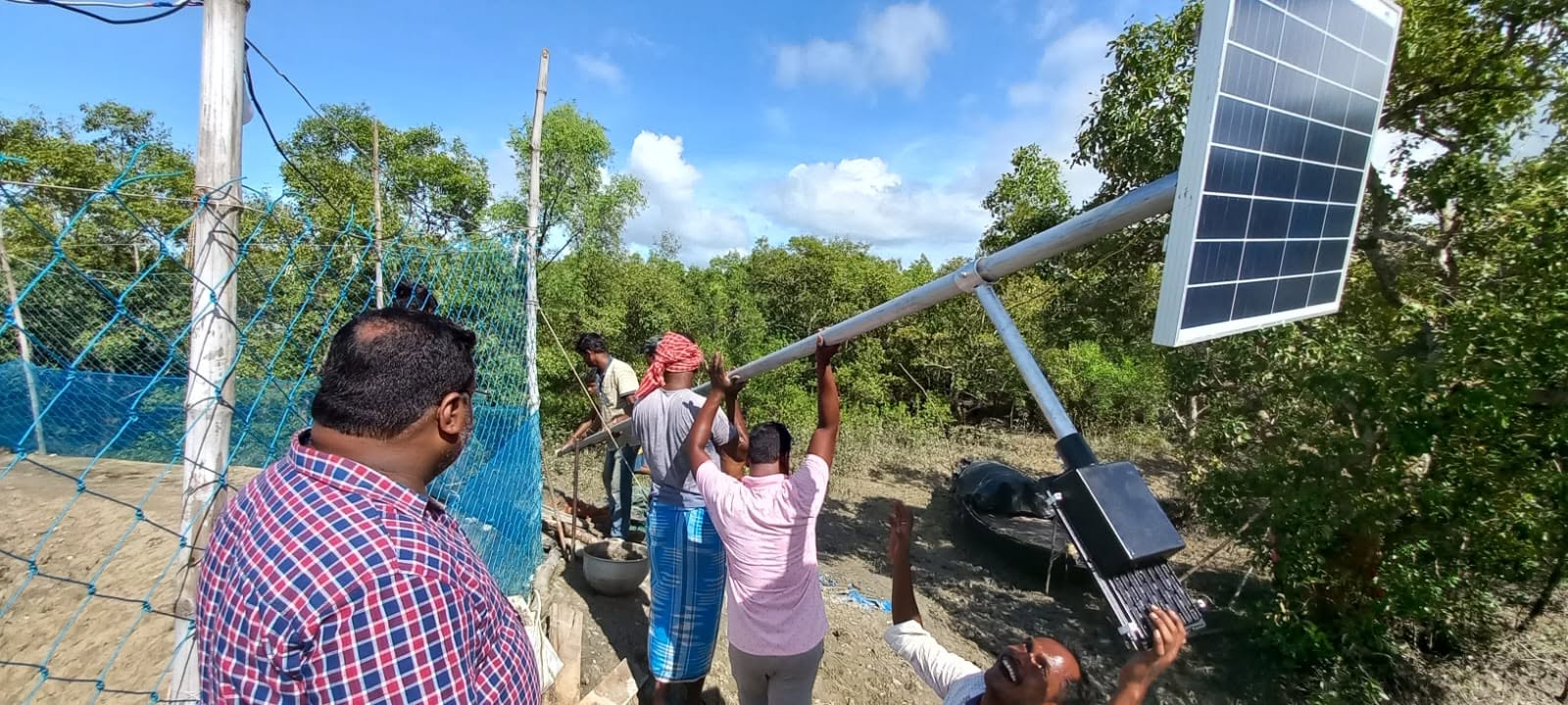
With The Chatterjee Group and the Department of Forest, Sundarban Biosphere Reserve, 25 solar street lights along the Chituri forest-fringe road now benefit over 4,500 villagers, cutting human-wildlife conflict and generating about 182.5 kW of clean energy a year.
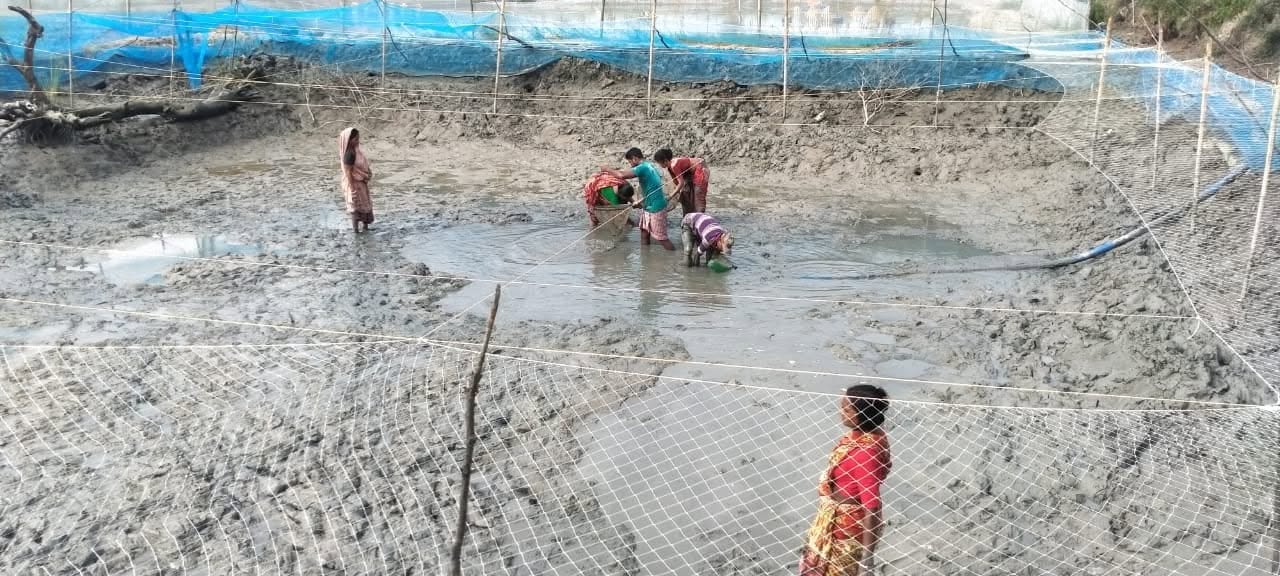
Scientifically developed ponds let villagers rear crabs in floating enclosures instead of entering protected forest, cutting human-wildlife conflict while technical training and direct market linkages secured safer, better incomes.
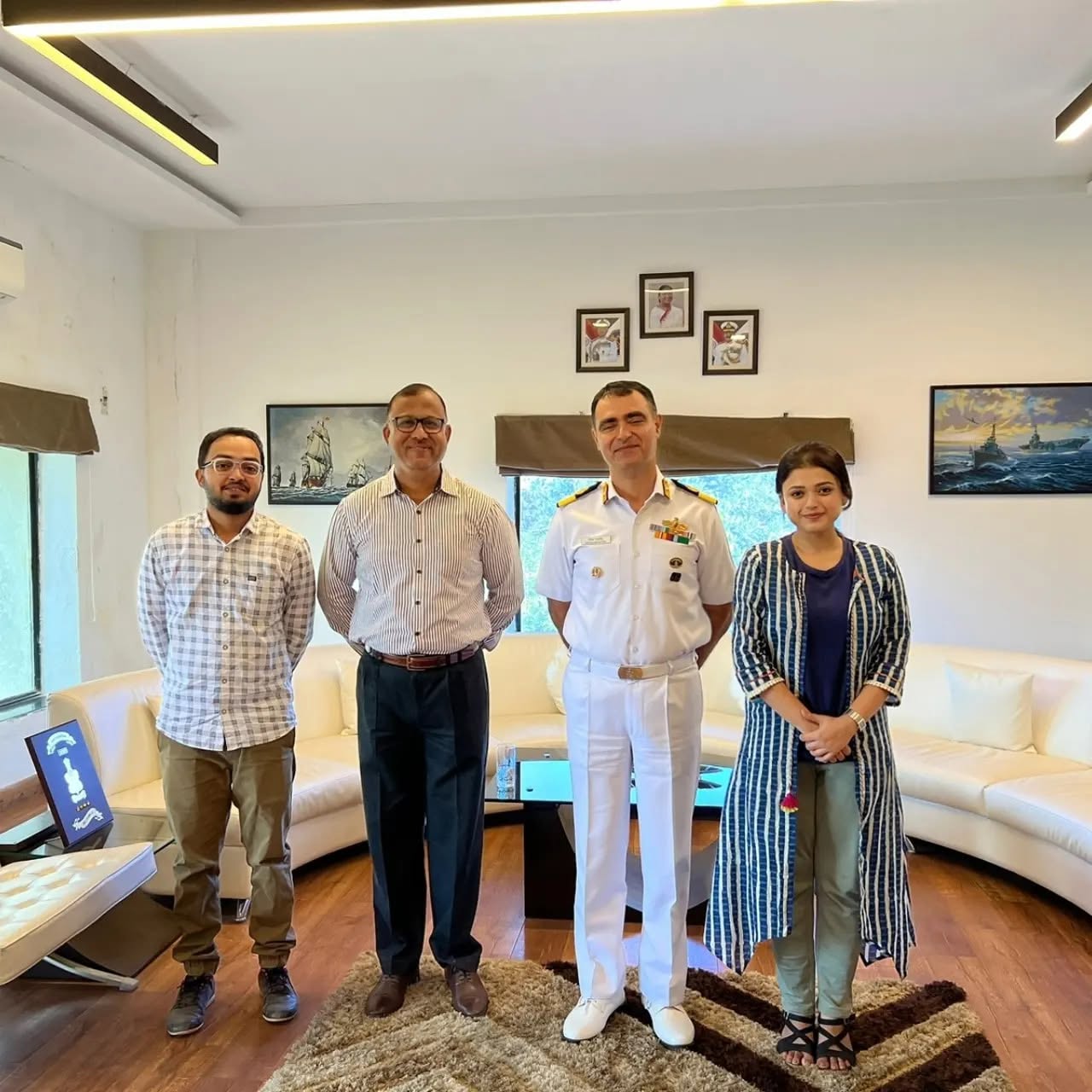
The Indian Navy invited KSCH to Western Naval Command, INS Hamla, Mumbai, to share its mangrove restoration expertise — recognition of its leadership in community-based coastal conservation.
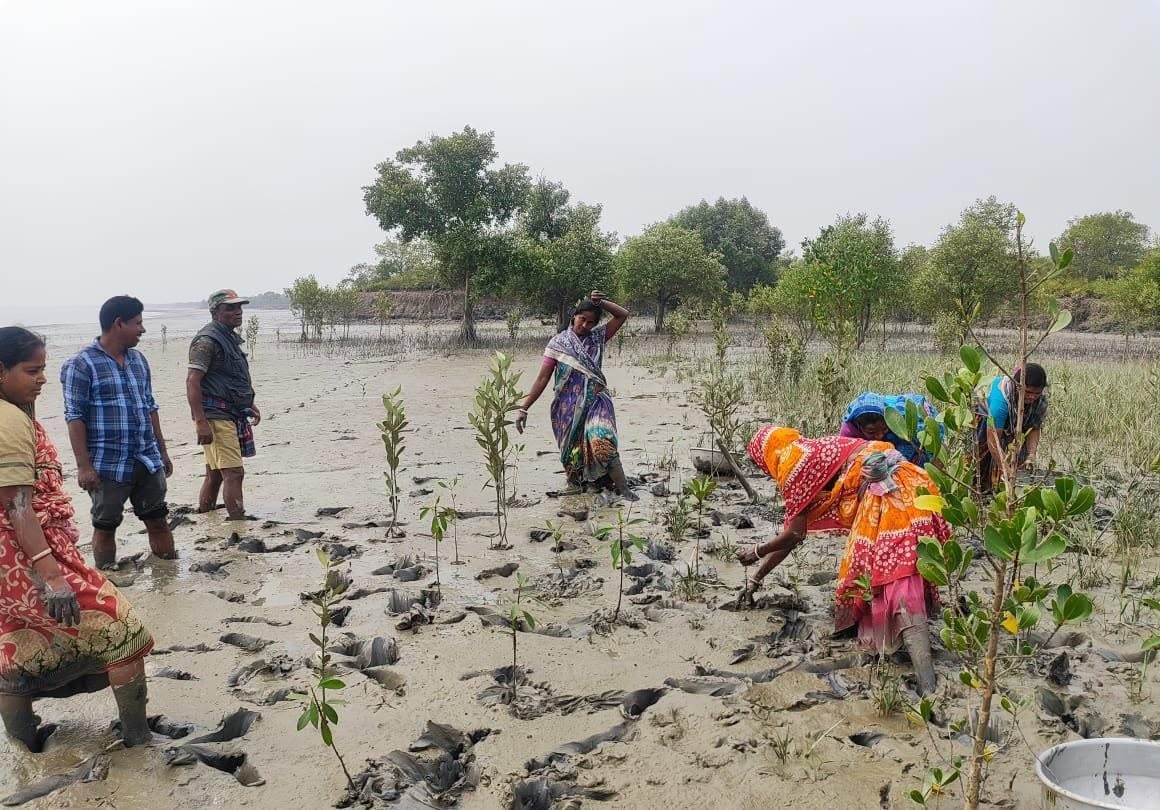
HPL's CSR programme funded 30,000 more mangrove saplings in a single year, taking KSCH's cumulative plantation past 2.2 million saplings over the past decade through the same community nursery model.
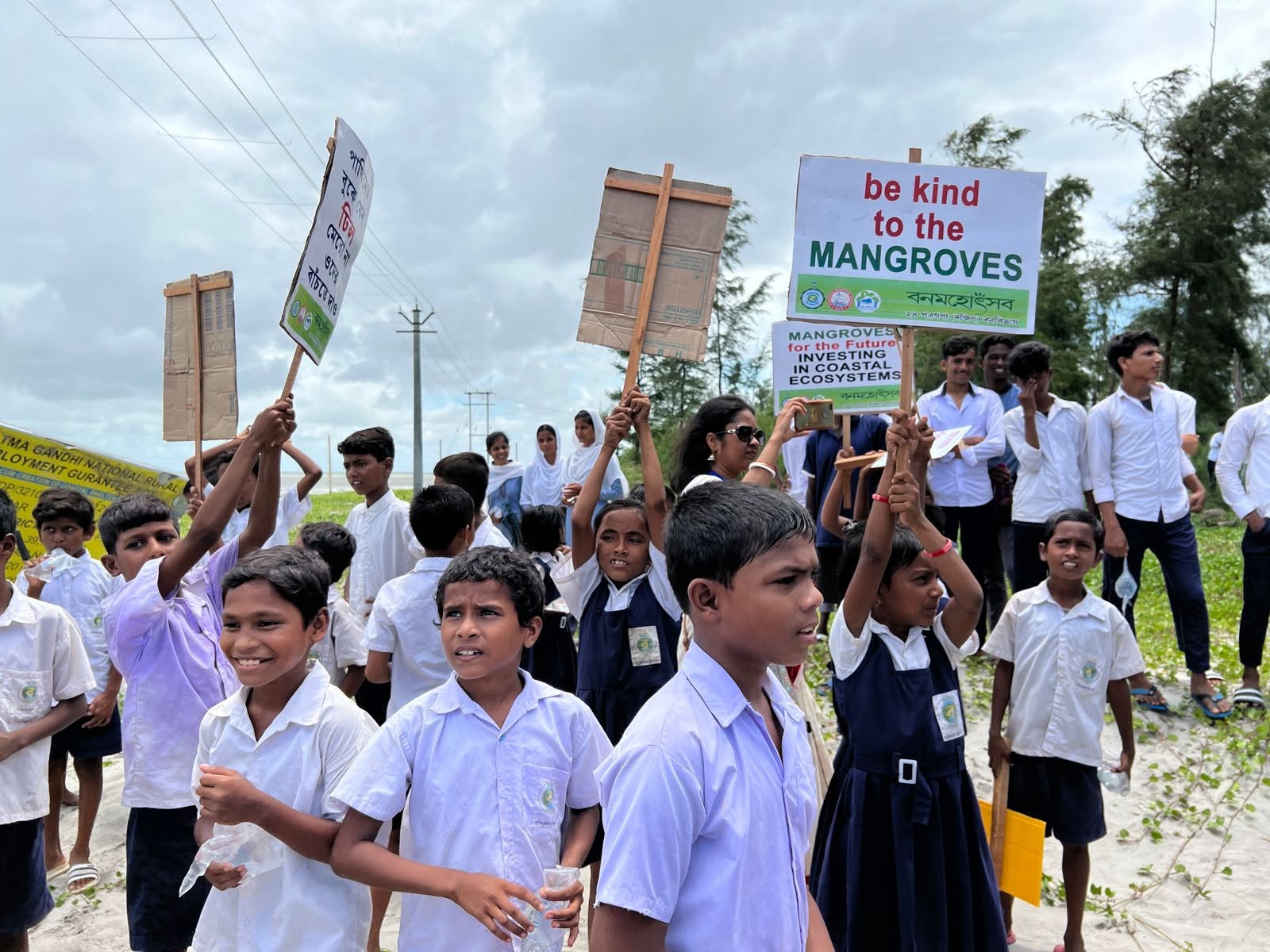
The Directorate of Forest, South 24 Parganas Division, allocated 1,020 hectares of non-forest land to KSCH — among the largest such responsibilities given to an NGO — toward a five-year goal of 20 million mangrove saplings, with 150 hectares planted in the first reporting period.
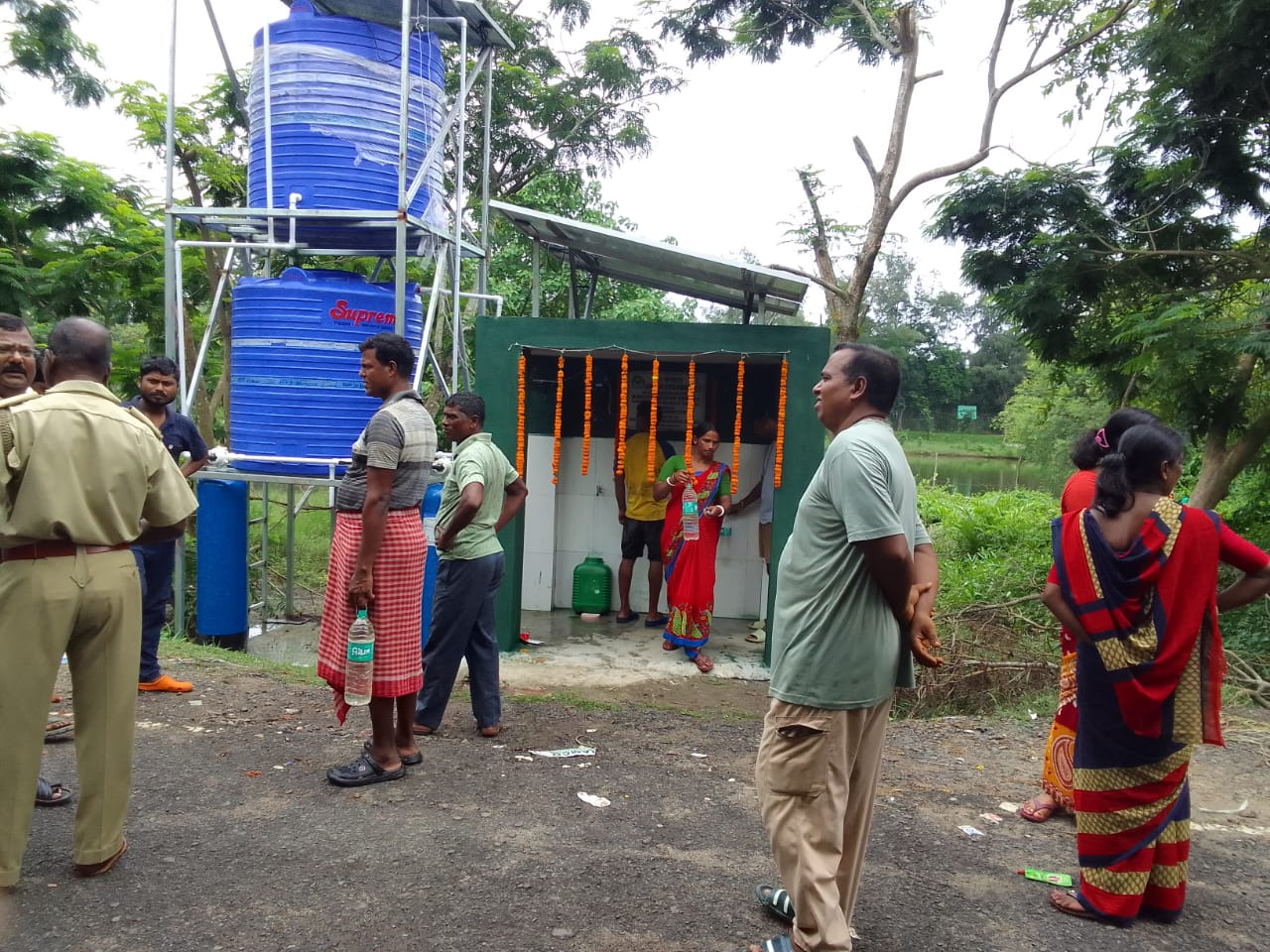
A community water purification plant at Jharkhali now provides clean drinking water to over 4,289 residents, cutting reliance on contaminated sources and strengthening long-term community ownership of the facility.
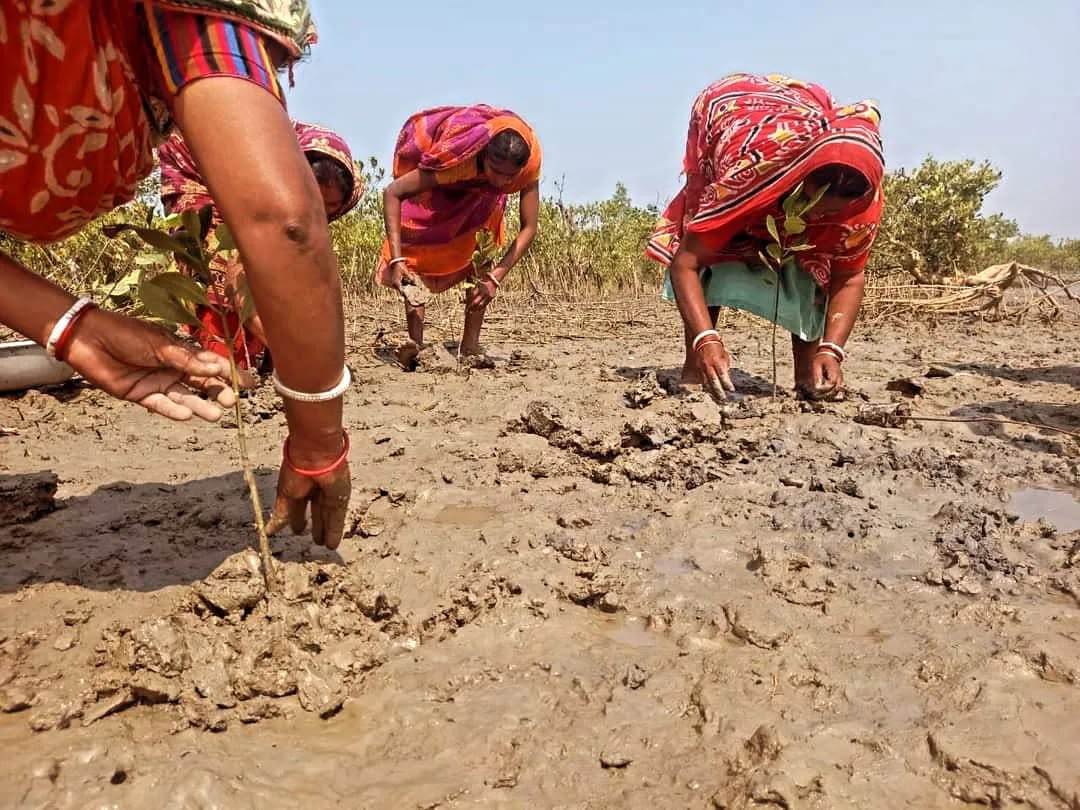
With PricewaterhouseCoopers, KSCH's annual drive planted hundreds of thousands more saplings along vulnerable coastlines and riverbanks, with nurseries managed by Sundarbans women under KSCH's empowerment programme.
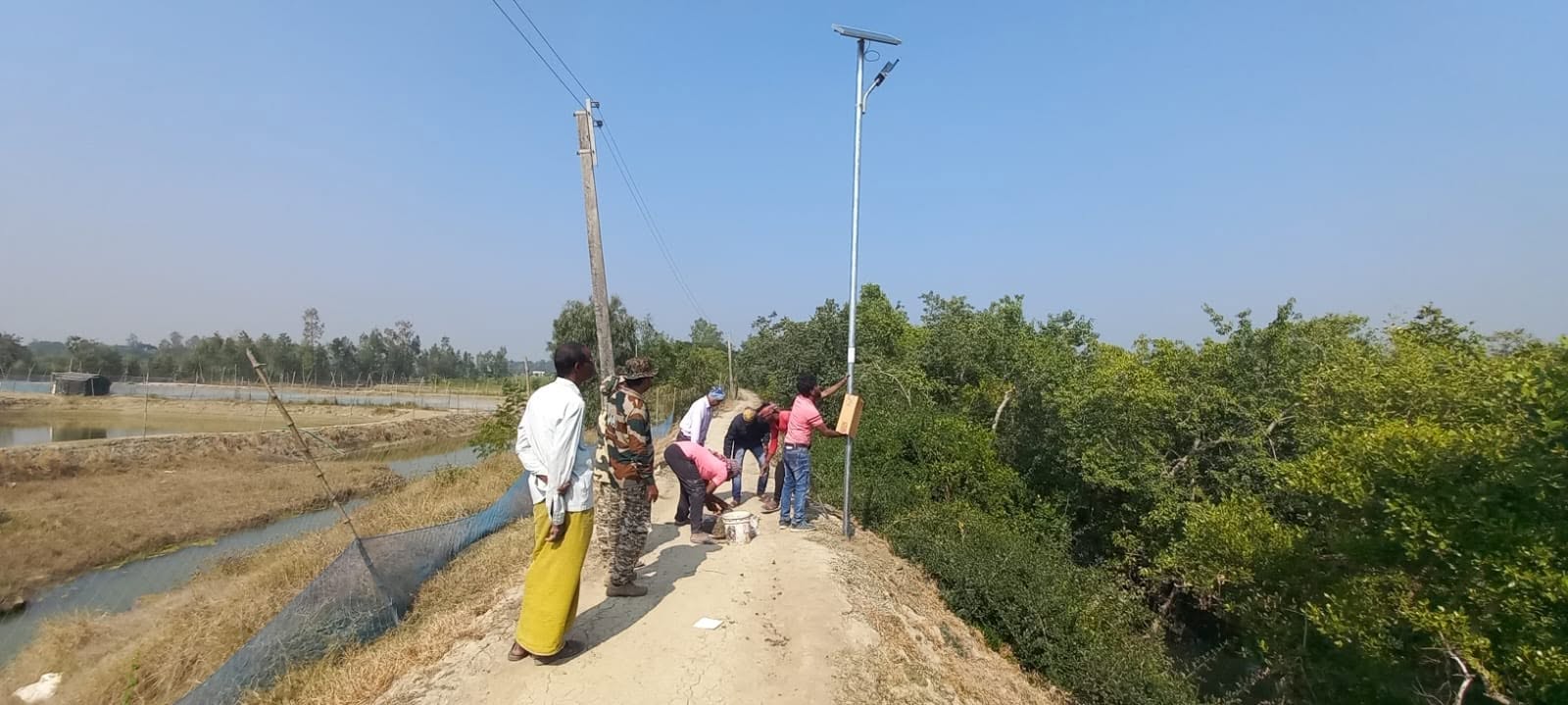
50 solar-powered street lights across Kultali now bring safety and light to over 8,000 people in 2 villages — easing man-animal conflict after dark, extending study hours for children, and supporting local businesses on clean energy.
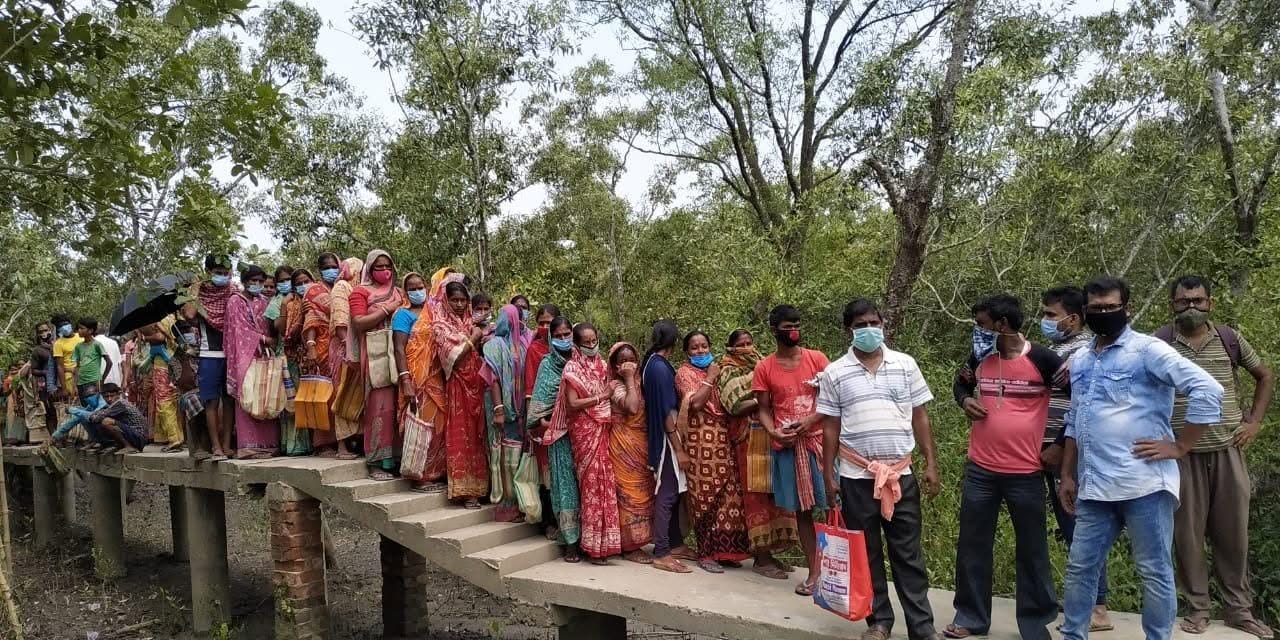
In one of KSCH's largest relief operations, and its first collaboration with the Forest Department for disaster management, government vessels reached five of Kultali's worst-hit villages. Over 5 tonnes of relief materials reached 1,000 families, followed by nearly 12 tonnes of food and dry rations to about 43,000 villagers across the region.
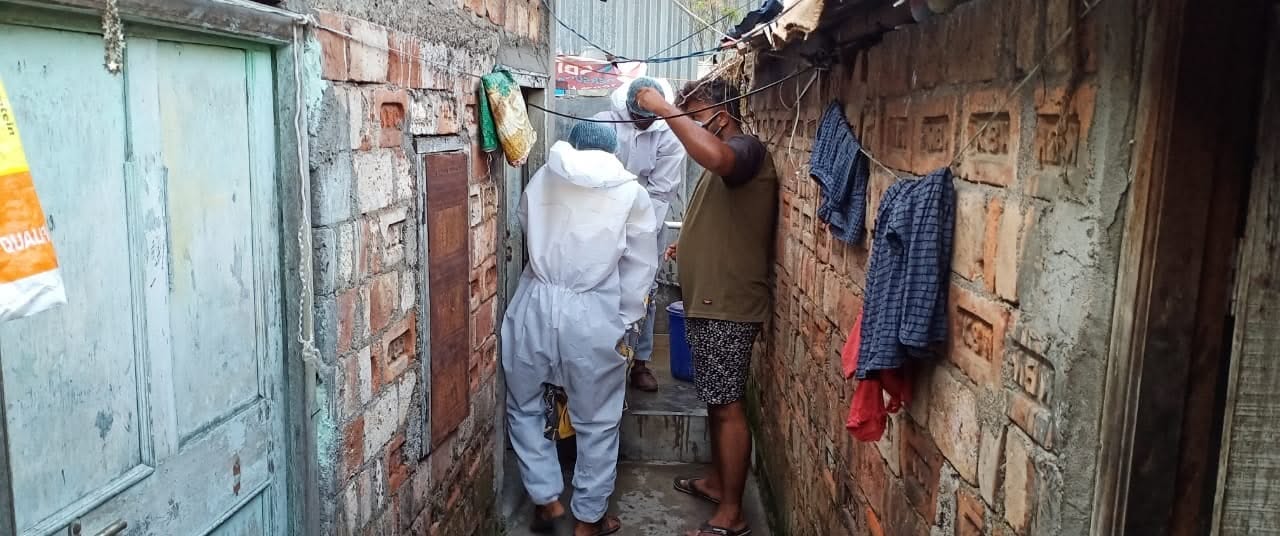
KSCH procured 58 medical oxygen cylinders and ran a sanitise-refill-redistribute rotation that supported roughly 8,760 critically ill patients through the worst of the pandemic's oxygen shortage.
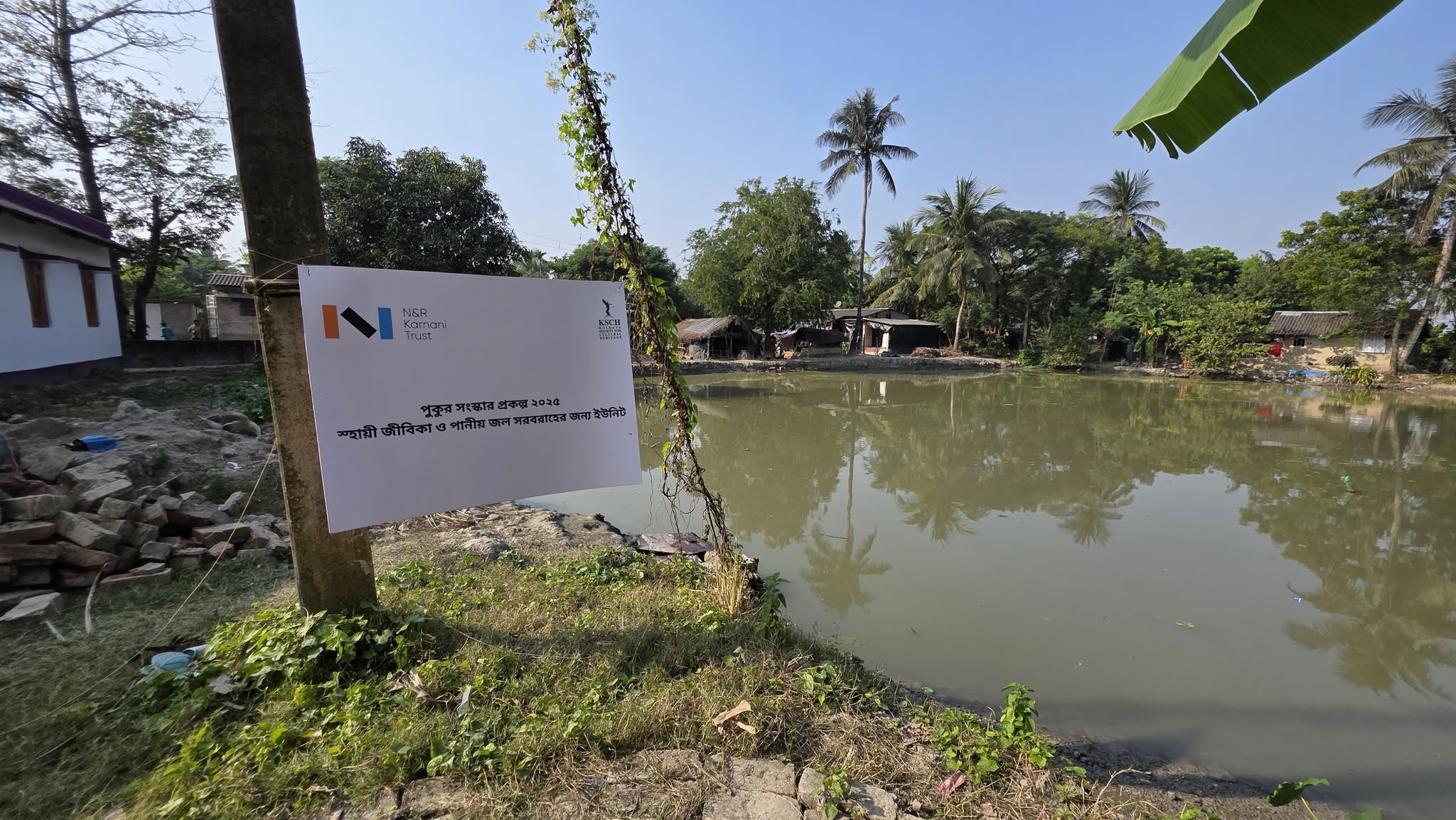
Following Cyclone Yaas's saline flooding, KSCH restored 1,050 damaged shelters for 1,000 families and rehabilitated 100 freshwater ponds across Gosaba, Bidya and Sajnekhali, reviving both drinking water access and fish cultivation livelihoods.
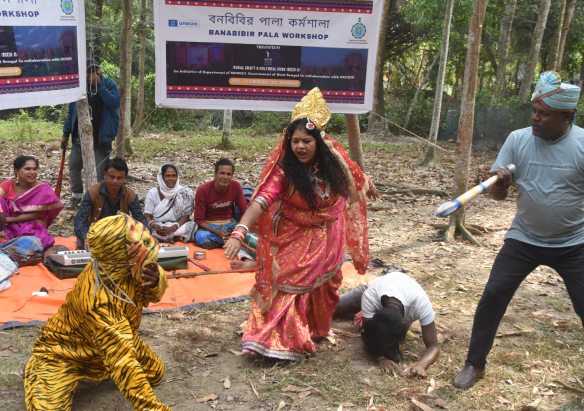
The Banbibi & Dakshin Ray Festival unfolded in Hingalganj, blending cultural celebration with environmental awareness. Organized by Breathing Roots in collaboration with KSCH, the event honoured the Sundarbans' guardian spirits, Banbibi and Dakshin Ray.
Central to the festivities was the performance of Bonbibi'r Palagaan — a traditional folk theatre narrating the legend of Bonbibi, who protects forest dwellers from dangers like tigers and natural calamities — alongside mythological enactments and storytelling sessions central to the region's heritage.
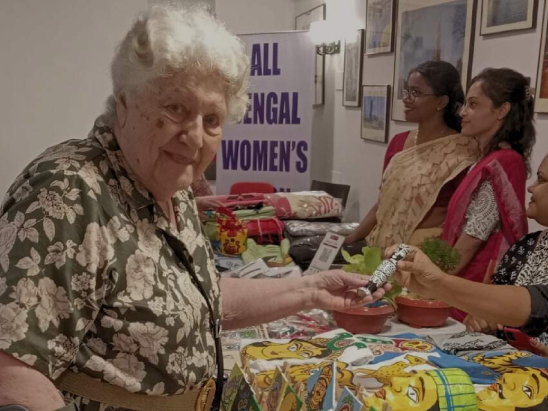
In collaboration with the British Deputy High Commission, KSCH organized the Monsoon Charity Fair, spotlighting the artistic talents of marginalized women from the Sundarbans. The event showcased handcrafted Patachitra paintings, lanterns, T-shirts, and home décor inspired by the region's rich cultural heritage.
The fair provided a platform to display creations and facilitated direct market access, bridging the gap between rural craftsmanship and urban markets while preserving the Sundarbans' intangible cultural heritage.
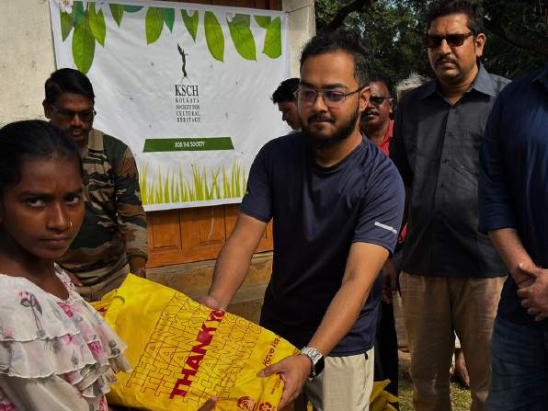
During the colder months, KSCH initiated a Winter Donation Drive to support forest-fringe tribal communities in the Sundarbans, distributing blankets and warm clothing to vulnerable families to mitigate cold-related health risks.
By addressing these immediate needs, the initiative contributed to the well-being and resilience of remote communities during the harsh season.
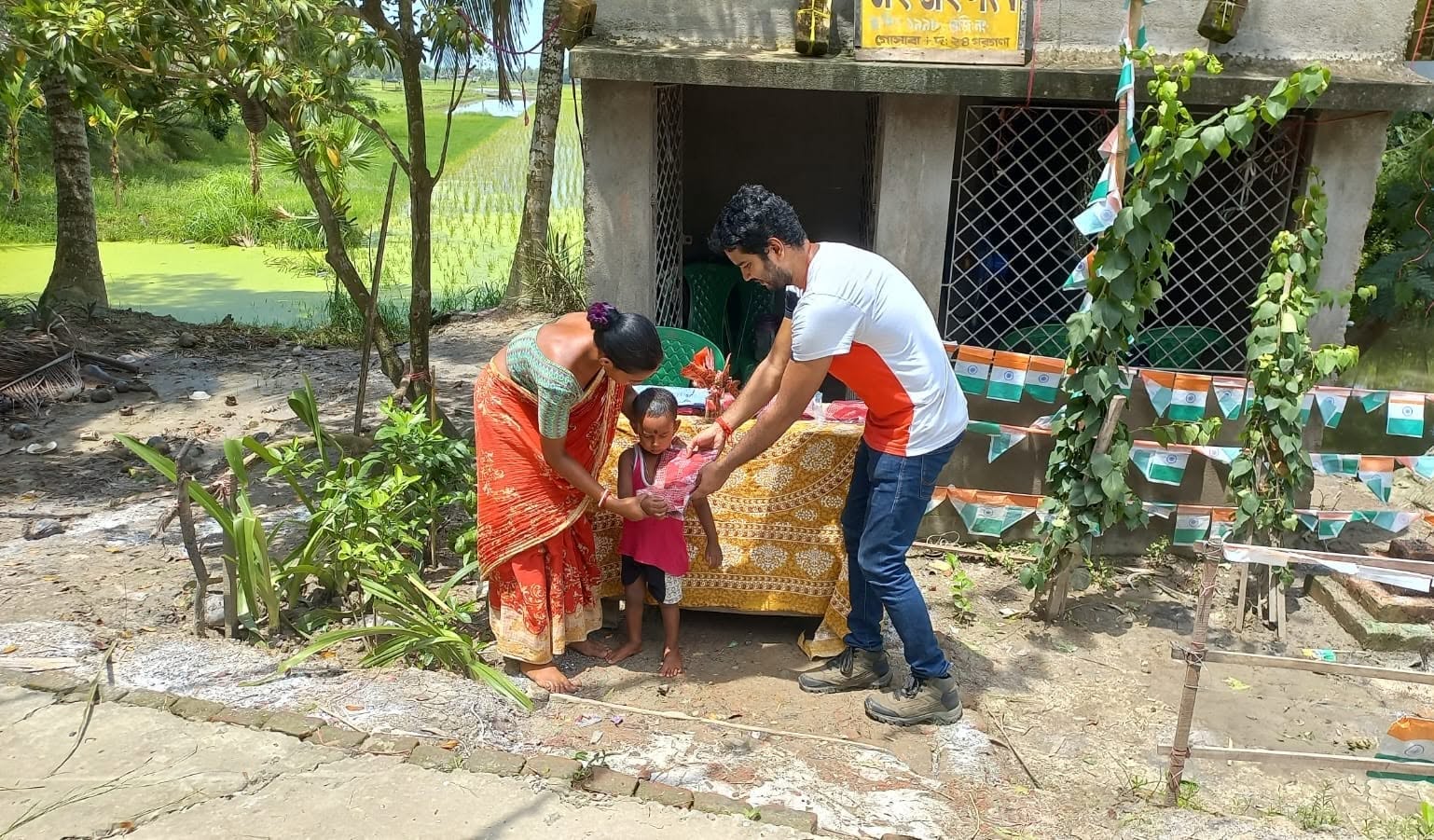
With the Indo-Dutch Care Foundation, KSCH distributed new, festival-ready clothes to 290 children in the Sundarbans — garments stitched by 25 women from Self-Help Groups, combining festive joy with livelihood creation.
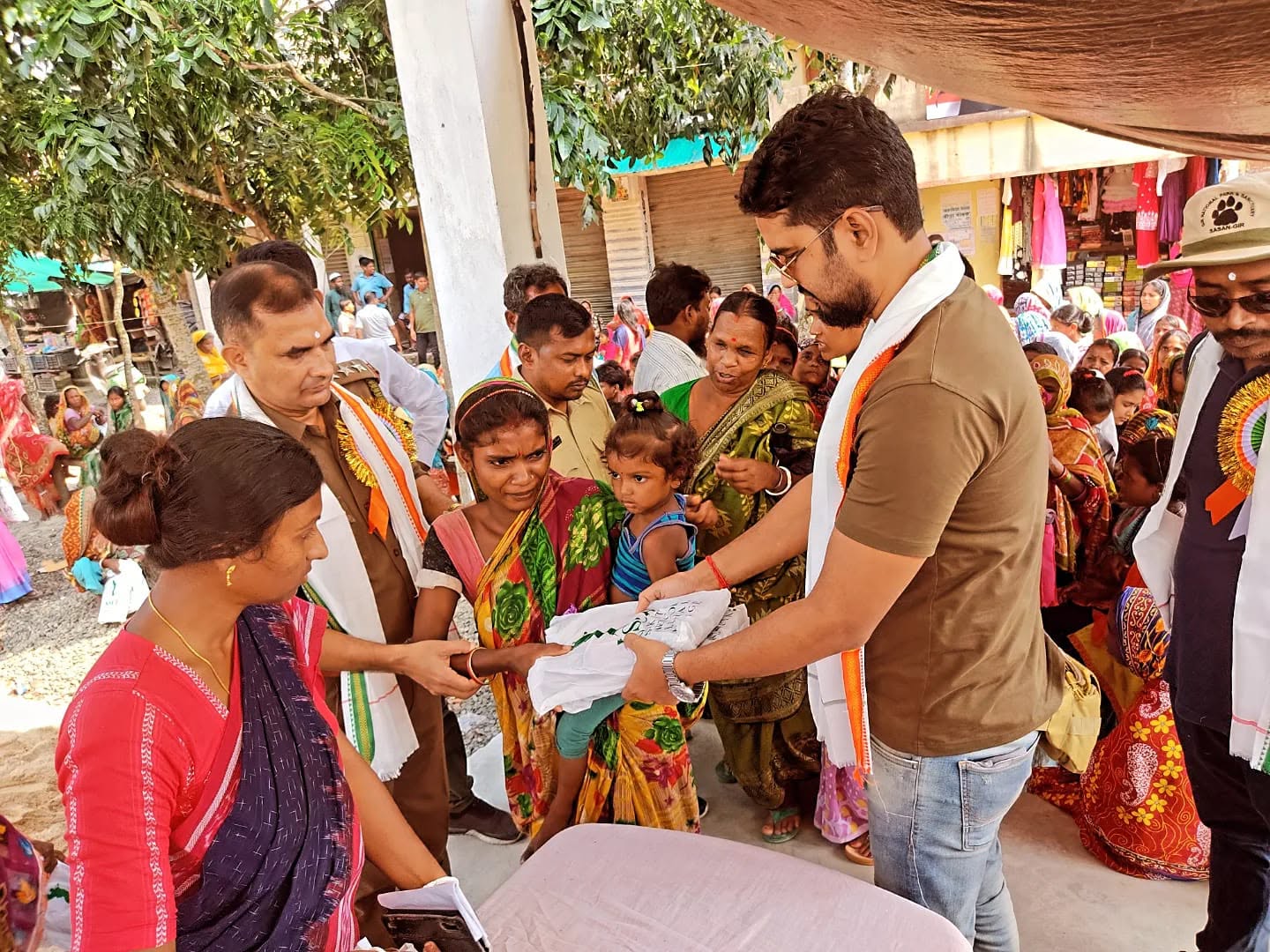
With the Directorate of Forest, Government of West Bengal, KSCH distributed new Durga Puja clothes to 700 tribal families in G-Plot — reaching one of the region's most vulnerable communities during the festive season.
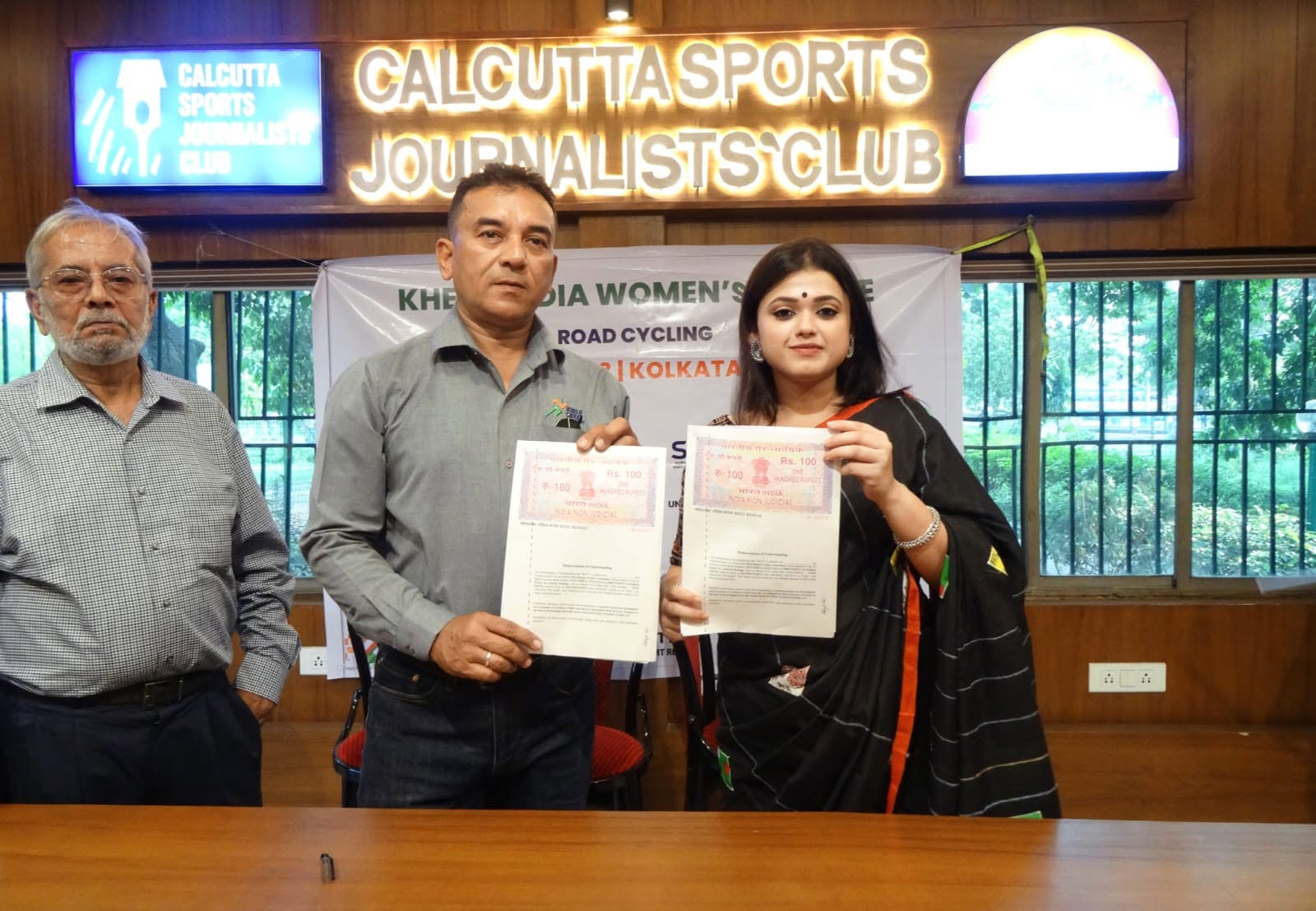
KSCH partnered with WBCA to promote sport as a tool for youth development, and was entrusted by the Ministry of Youth Affairs and Sports with organising the Khelo India All Women Road Cycling Championship — the start of a long-running collaboration.
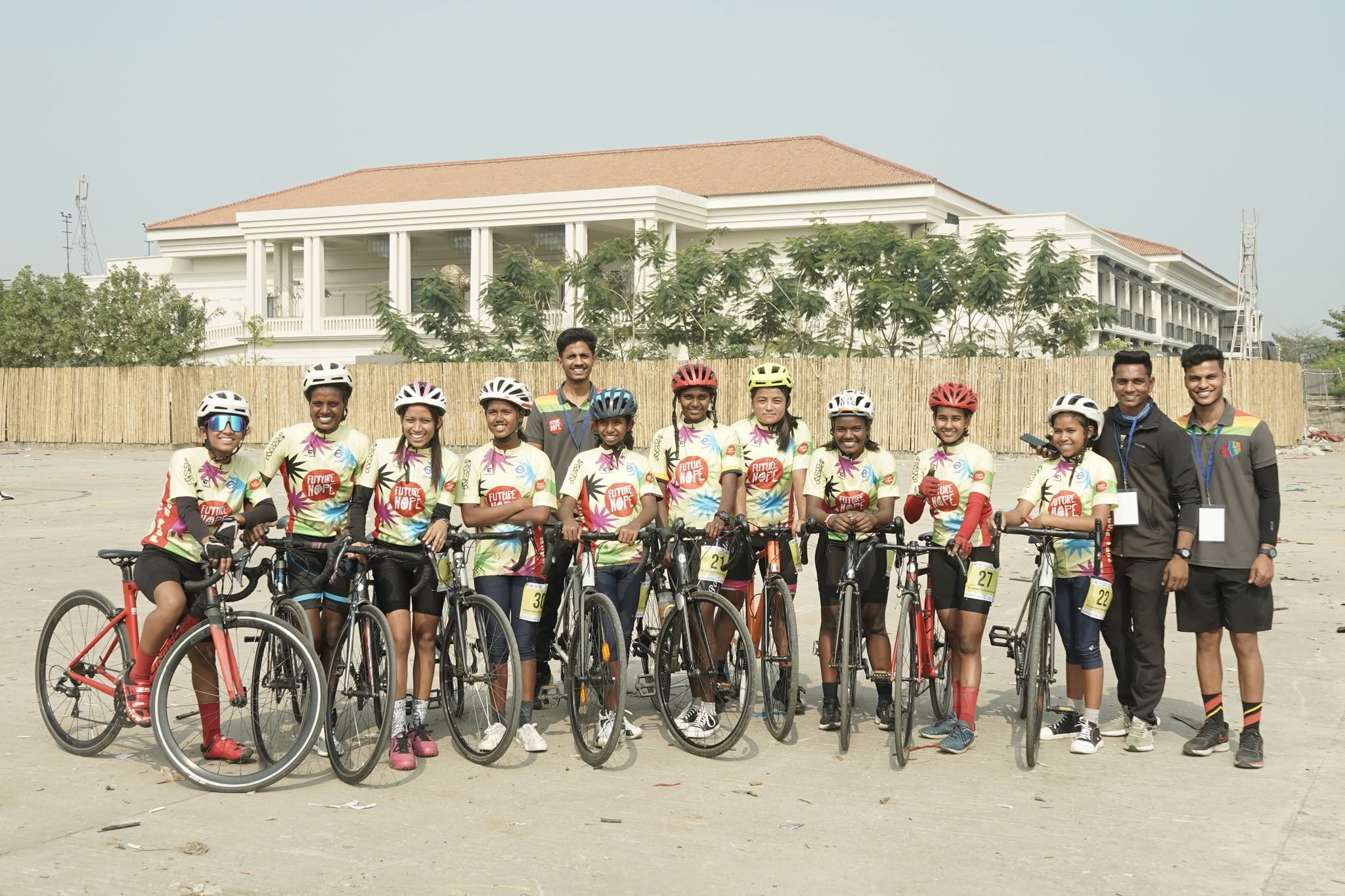
With the Sports Authority of India and WBCA, and sponsored by Shyam Steel India, this championship drew cyclists from seven states — celebrating sporting excellence and women's participation in competitive cycling.
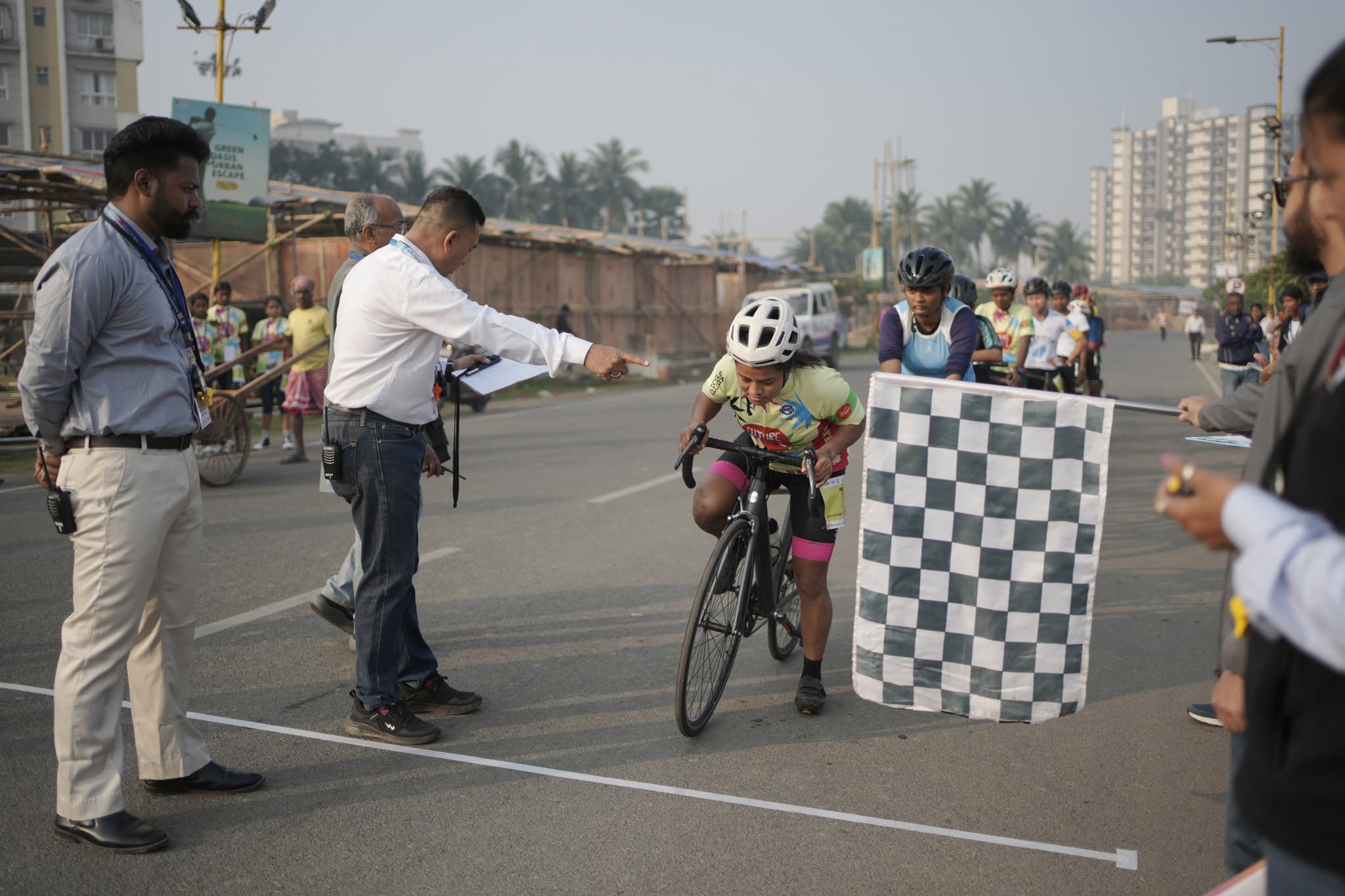
Organised with WBCA under the Cycling Federation of India, this edition attracted over 310 cyclists and featured a special girls' category under the Sabooj Sathi scheme — advancing SDGs on gender equality, sustainable cities and climate action.
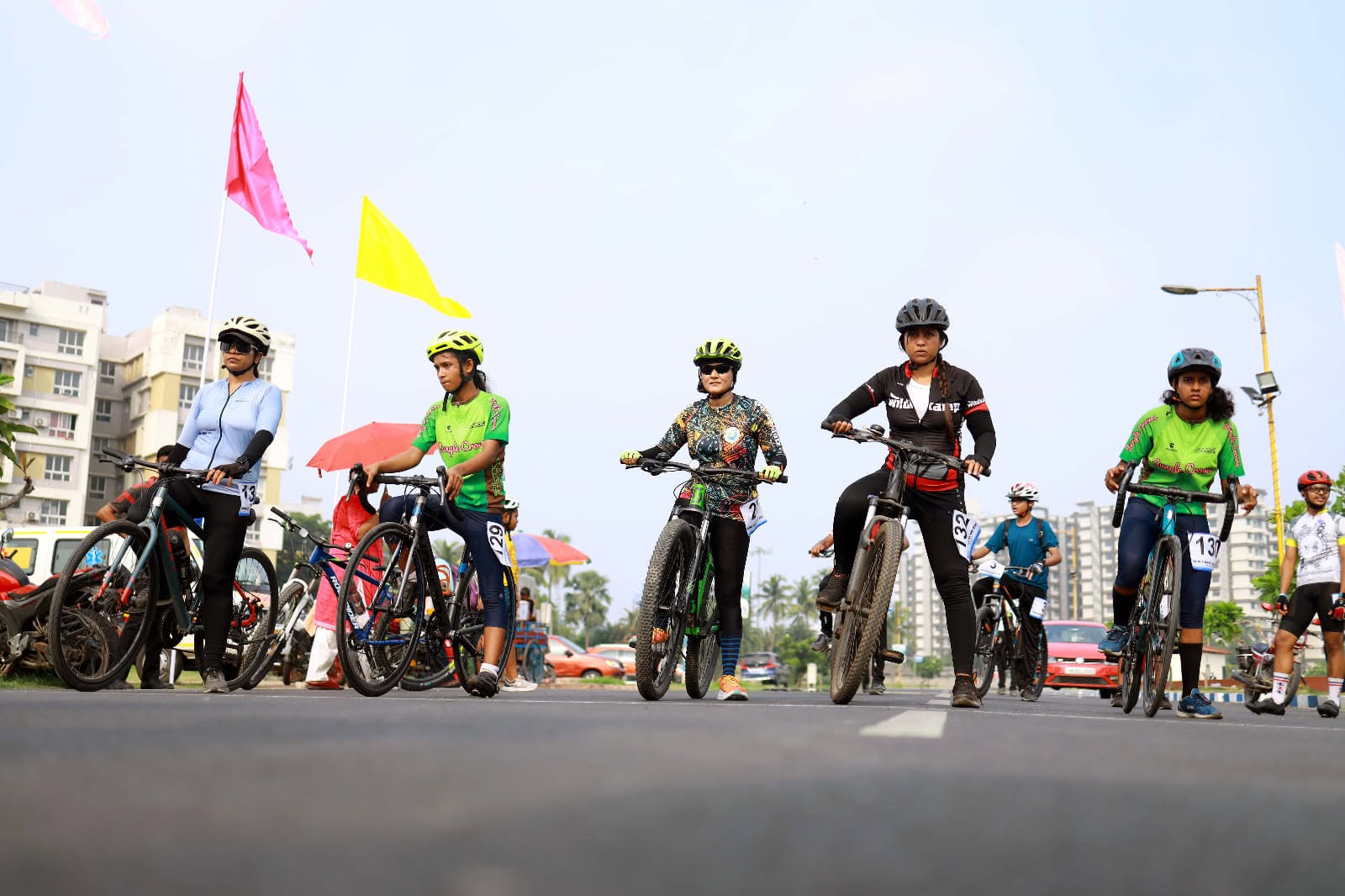
Held under the Khelo India initiative with the Sports Authority of India, this second edition gave women cyclists from across the country a competitive platform, building fitness, confidence and leadership.
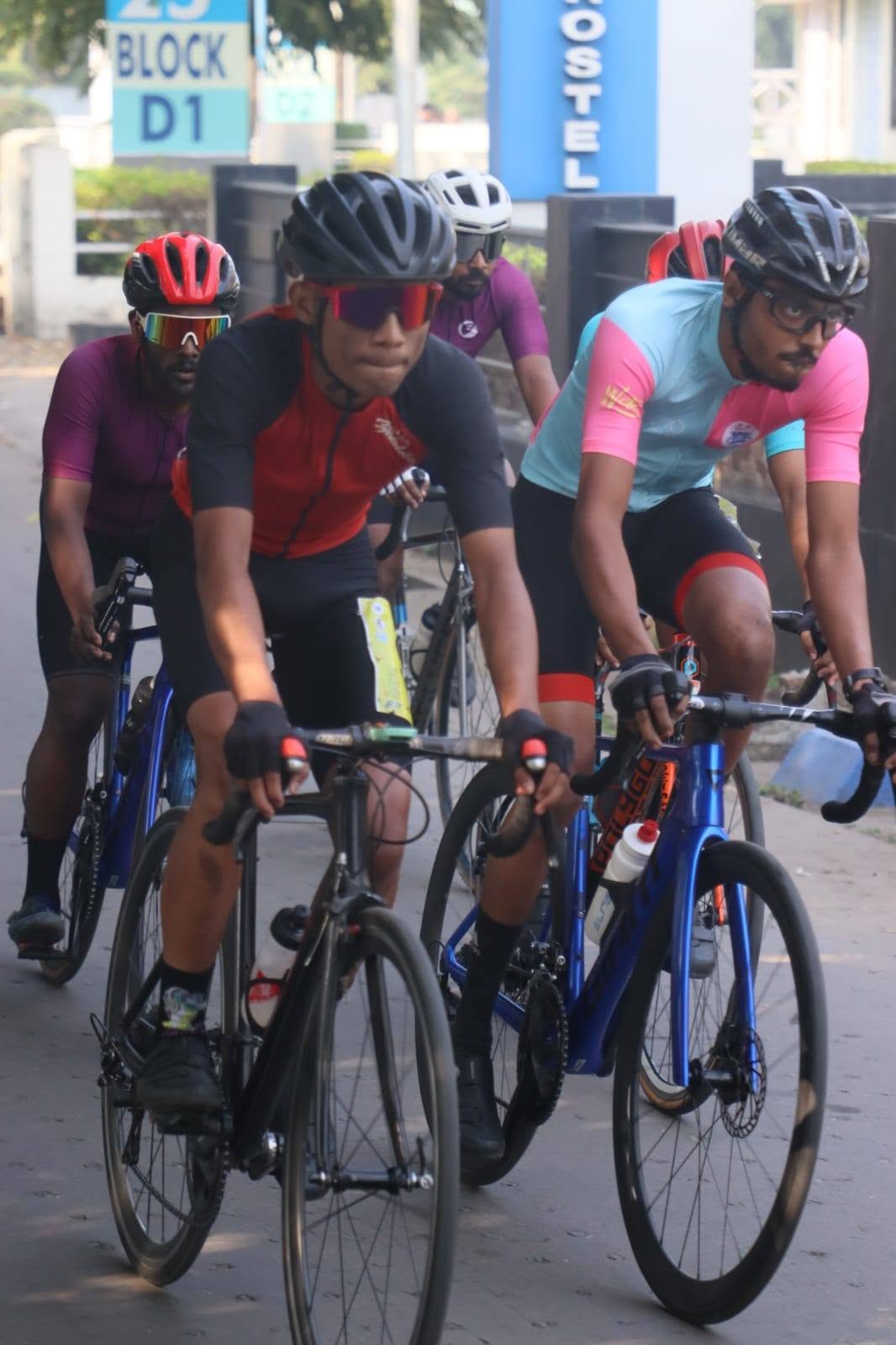
Supported with WBCA, this edition opened the field to cyclists from rural and district-level backgrounds, reflecting the growing reach of cycling as sport and sustainable mobility beyond the city.
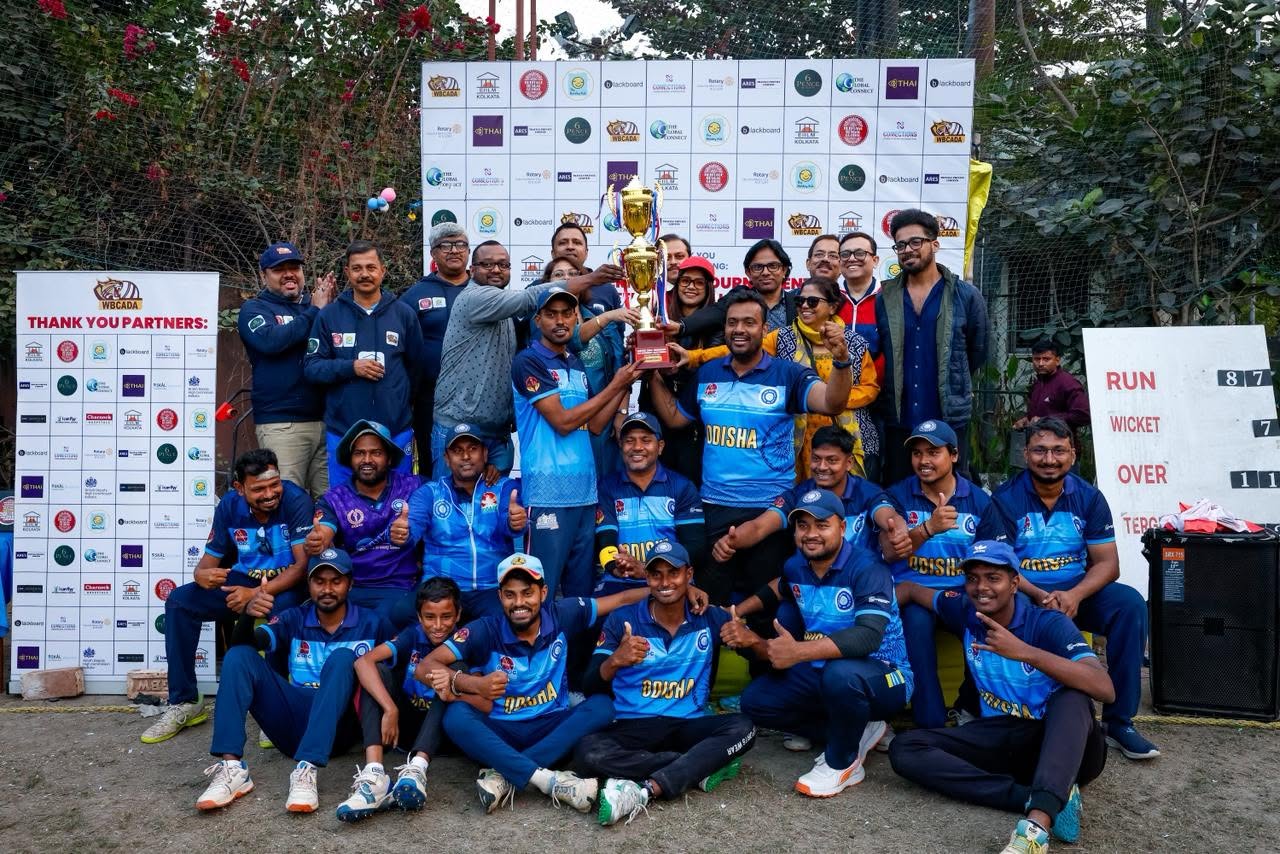
KSCH supported a T20 match featuring the West Bengal Cricket Association for the Differently Abled at Rajasthan Club, Kolkata, organised with Skål International Kolkata and the British Deputy High Commission — celebrating ability and challenging stereotypes through sport.
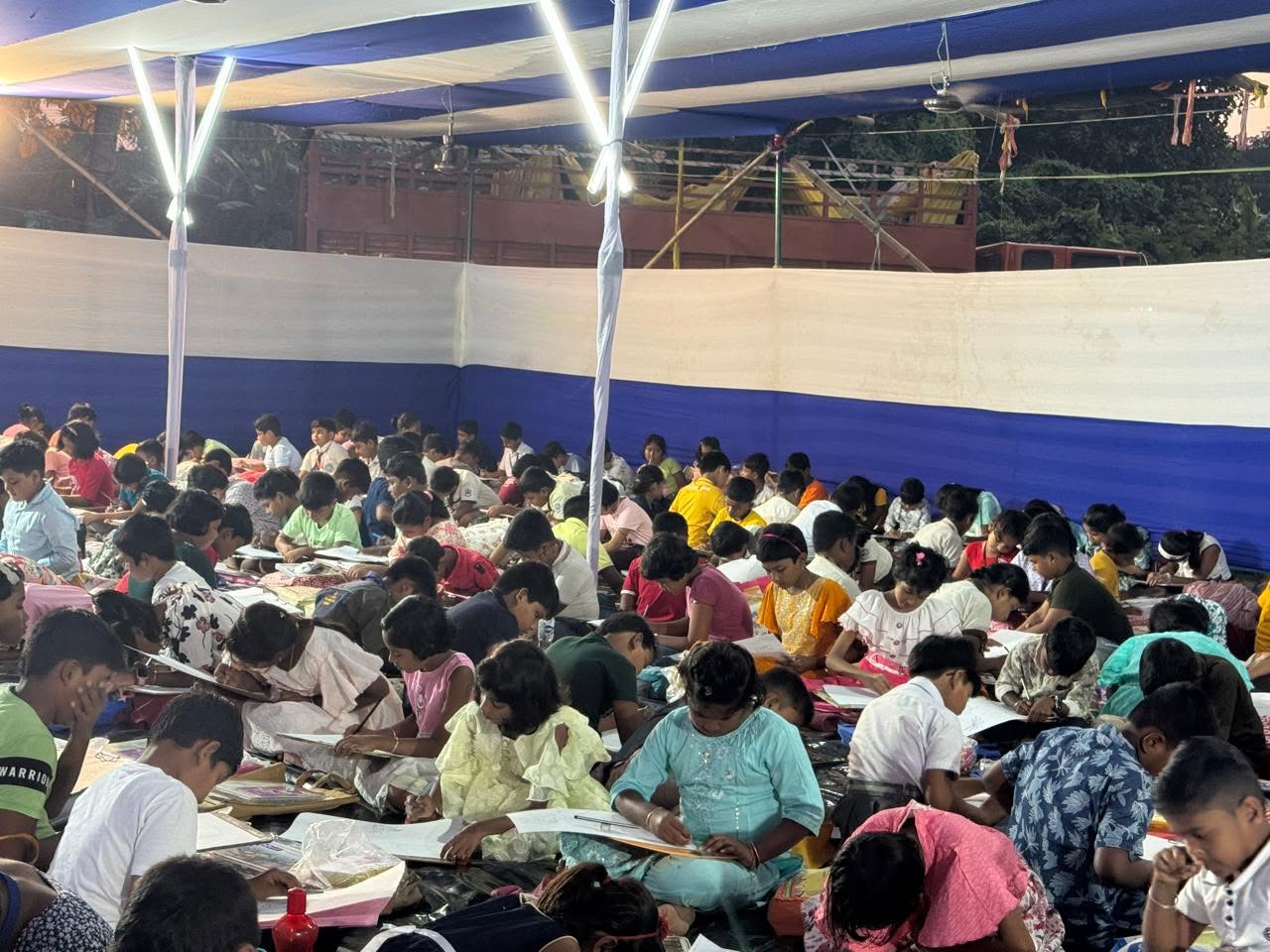
With Mandir Bazar Police Station and the Government of West Bengal, over 1,500 children aged 8–16 took part in a creative workshop building artistic skill, cultural awareness and self-expression.
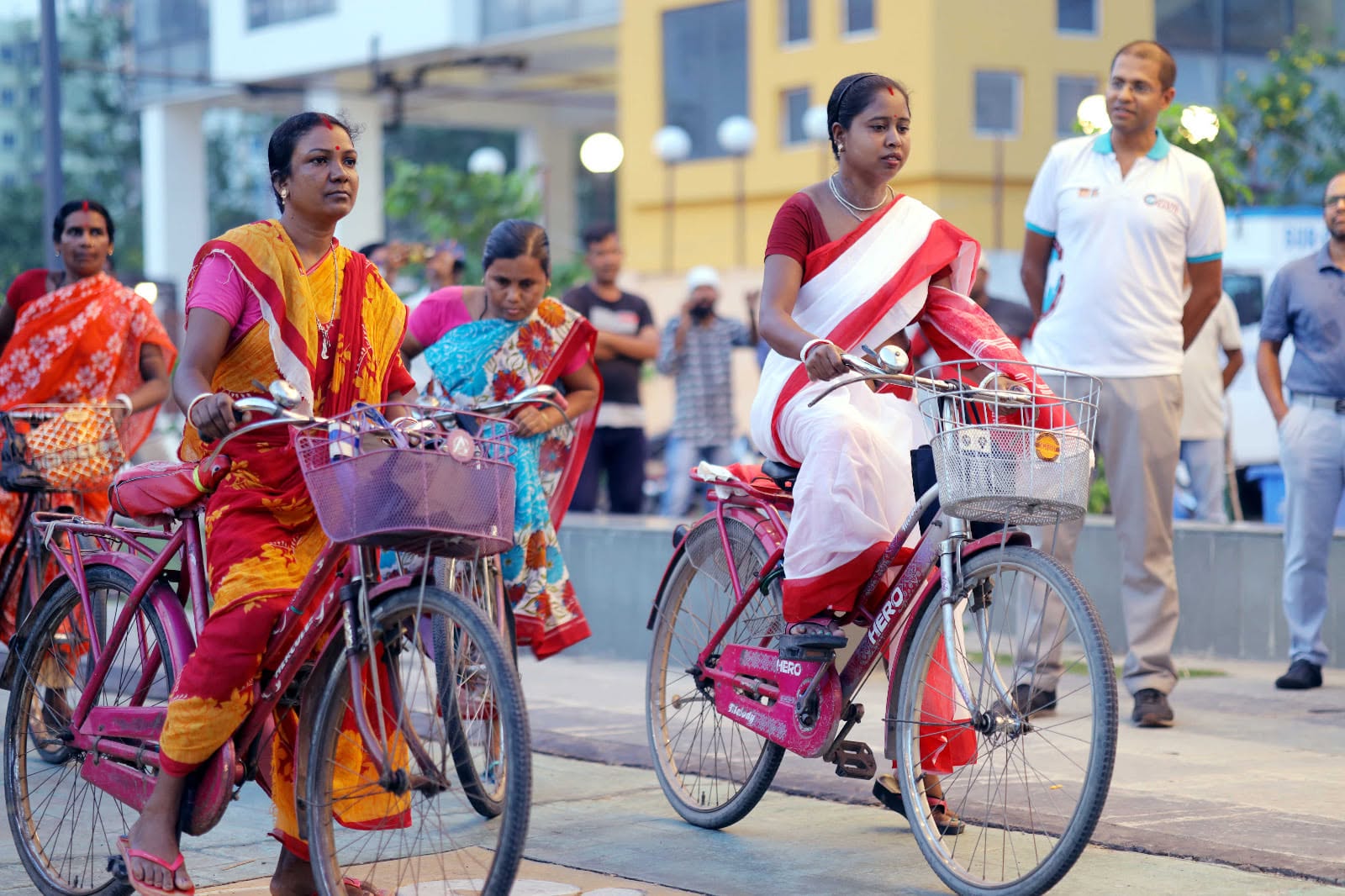
In line with the national Khelo India initiative, KSCH actively promotes cycling as a sustainable, healthy mode of transport, participating in events like the 44th West Bengal State Cycling Championship to foster youth engagement in sports and grassroots green transportation.
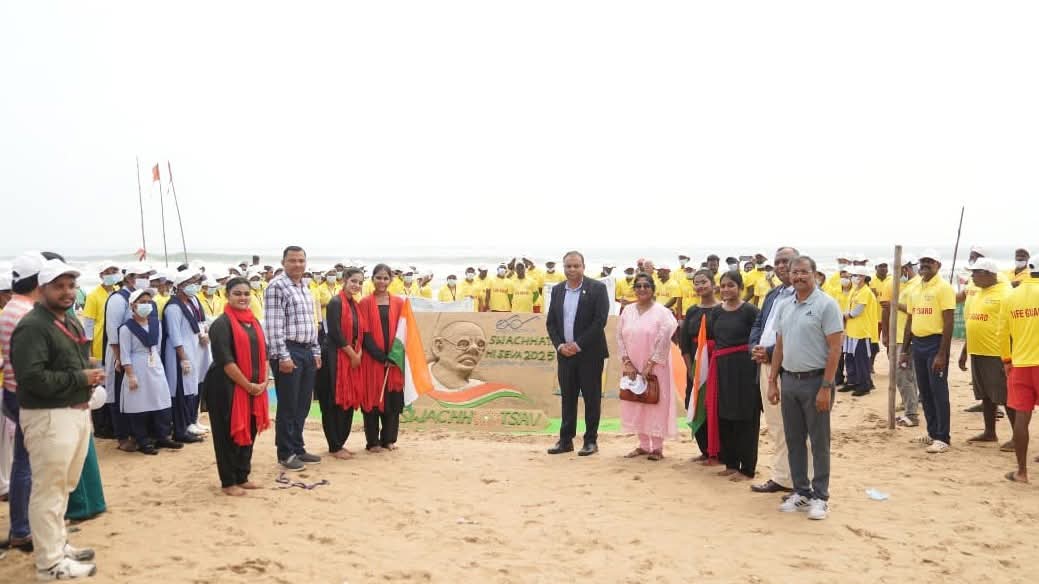
With Bharat Petroleum Corporation Limited, KSCH joined the Government of India's Swachhata Hi Seva mission for a large-scale cleanliness drive at Puri Sea Beach, drawing school children, college students, local traders and residents into a shared act of civic responsibility.
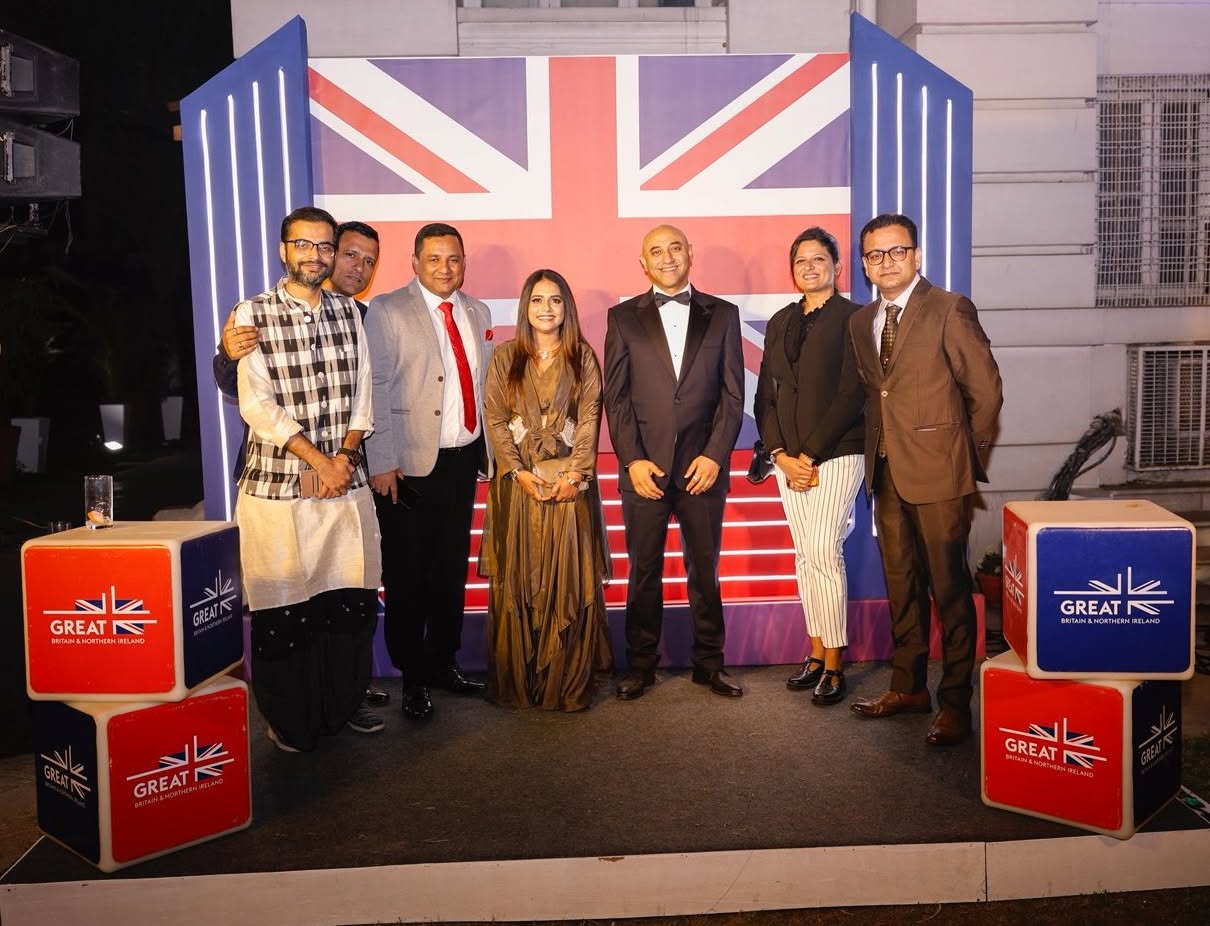
Beyond West Bengal, KSCH engages the British Deputy High Commission, international workshops and diplomatic missions, and has extended its model abroad through the Grace Island Initiative in Sri Lanka, focused on human rights, conservation, women's empowerment and sustainable livelihoods.
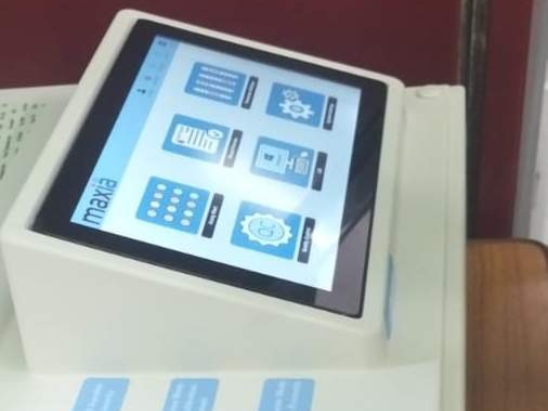
KSCH, in collaboration with North Barrackpore Municipality and Bharat Petroleum Corporation Ltd. (BPCL), enhanced healthcare access by installing advanced medical equipment at Jamini Bhusan Memorial Maternity & General Hospital and Monirampur Poly Clinic under BPCL's CSR programme — including X-ray machines, Digital Radiography Panels, a 5-Part Hematology Analyzer, a High-End Ultrasound Machine, and an ICU Ventilator.
The inauguration was attended by the Honorable MP & MLA of Barrackpore, the Chief Manager (Admin-HRS) of BPCL East, the Chairman of North Barrackpore Municipality, and the Director of KSCH. Benefitting approximately 1.62 lakh rural residents, this initiative exemplifies CSR's impact in closing healthcare gaps and delivering life-saving advancements.
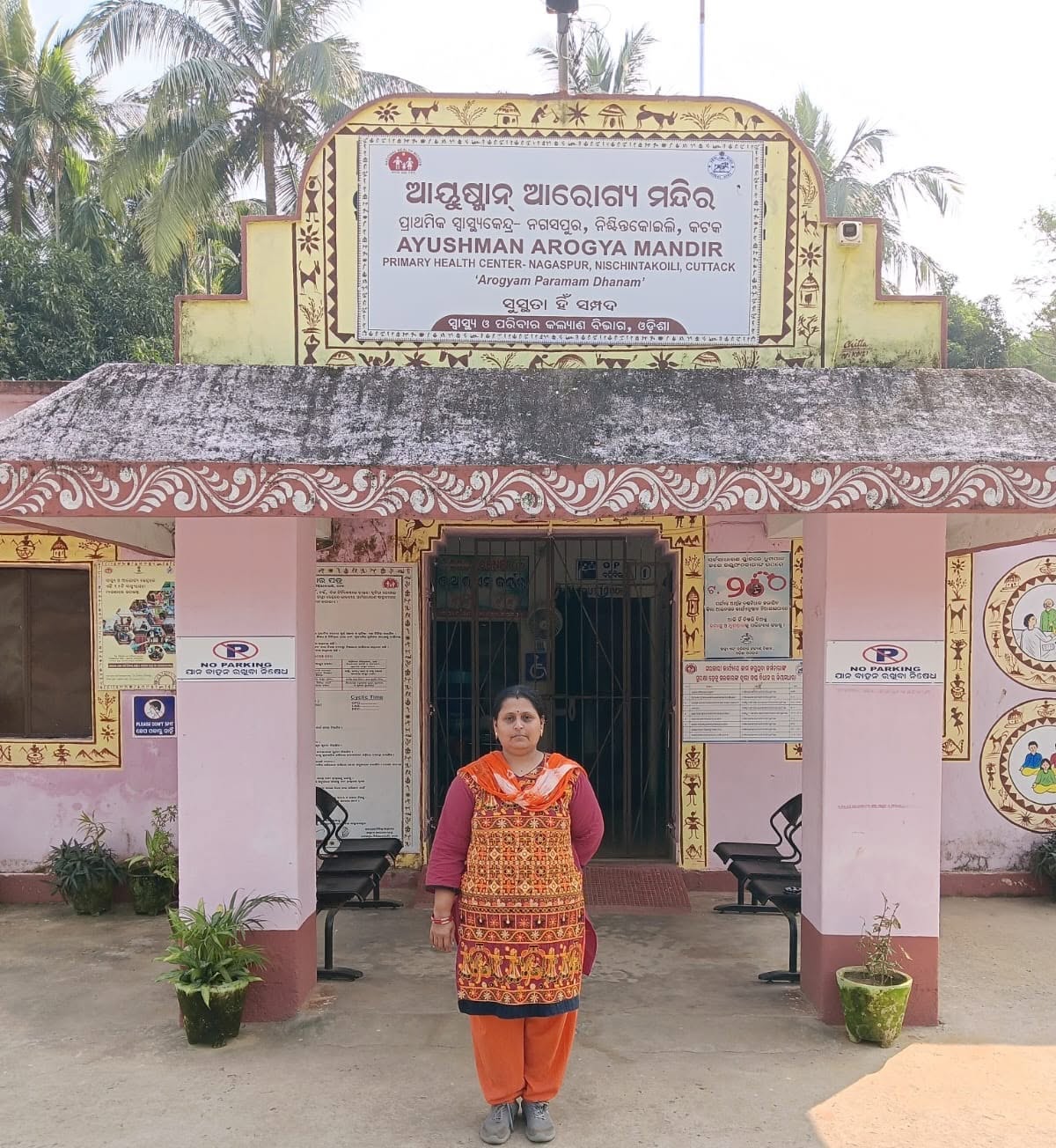
With the Health Department, Government of Odisha, KSCH supported uninterrupted medical services across seven district hospitals in Cuttack — strengthening healthcare delivery for nearly 5.2 million rural residents.
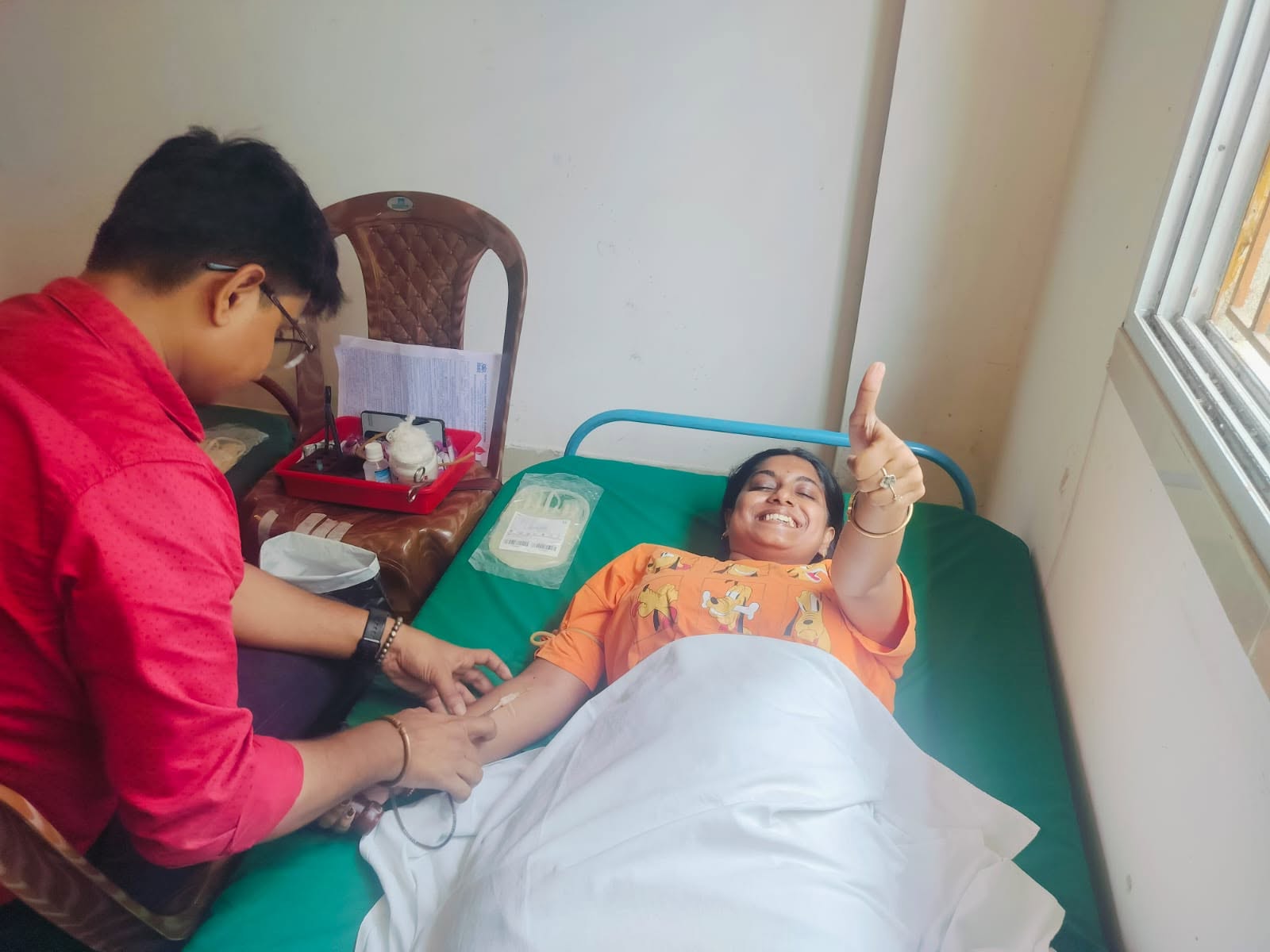
With Aria Rabindra & Abhilasha Complex and Ruby General Hospital, KSCH organised a community blood donation camp — bringing residents, volunteers and healthcare professionals together to support patients needing life-saving transfusions.
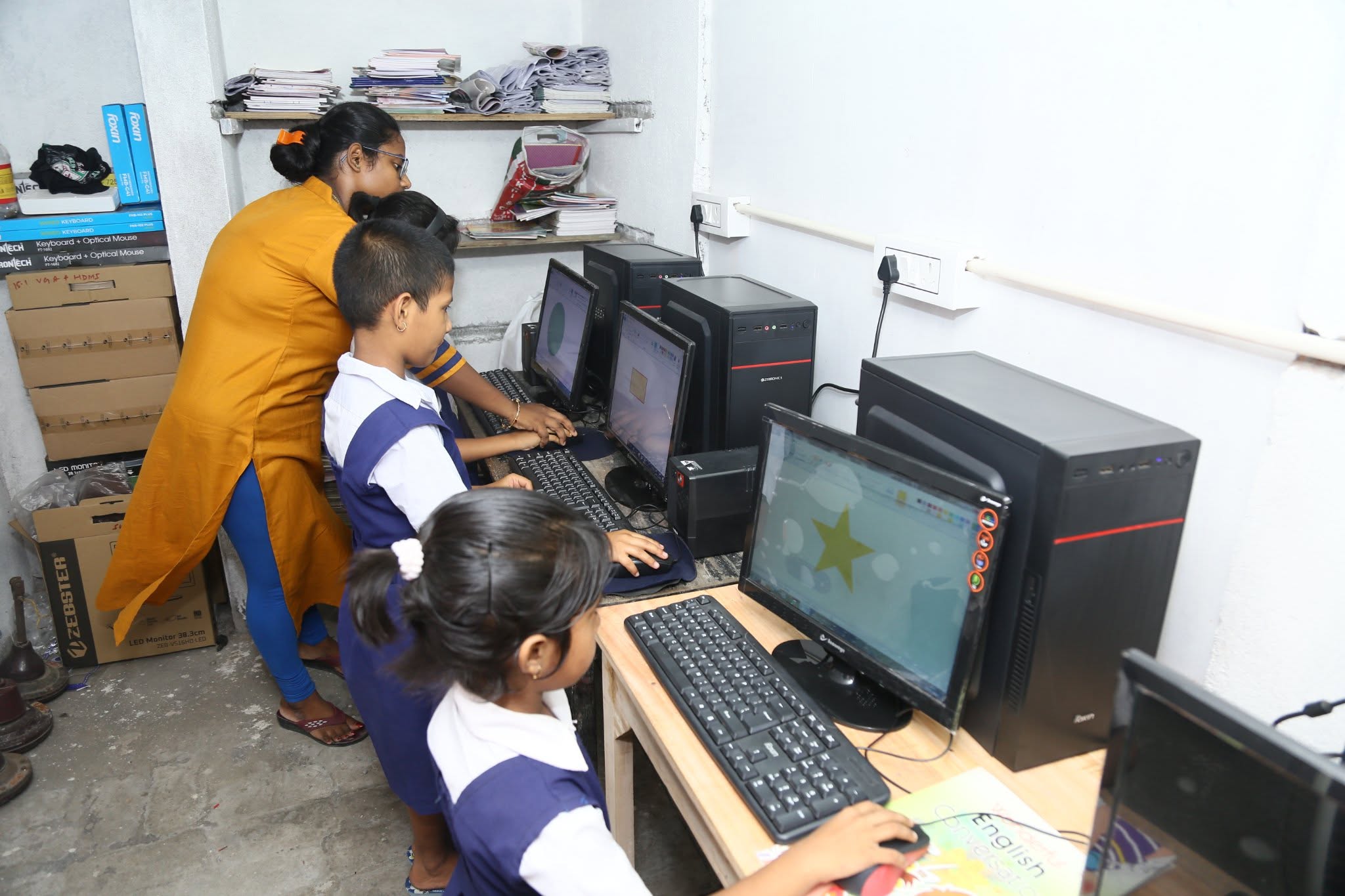
With I Am Kolkata (Merlin Group), KSCH upgraded Jatragachi Nandanagar Primary School with new ceiling fans, two computers, a water purifier and sports equipment — improving conditions for over 100 students.
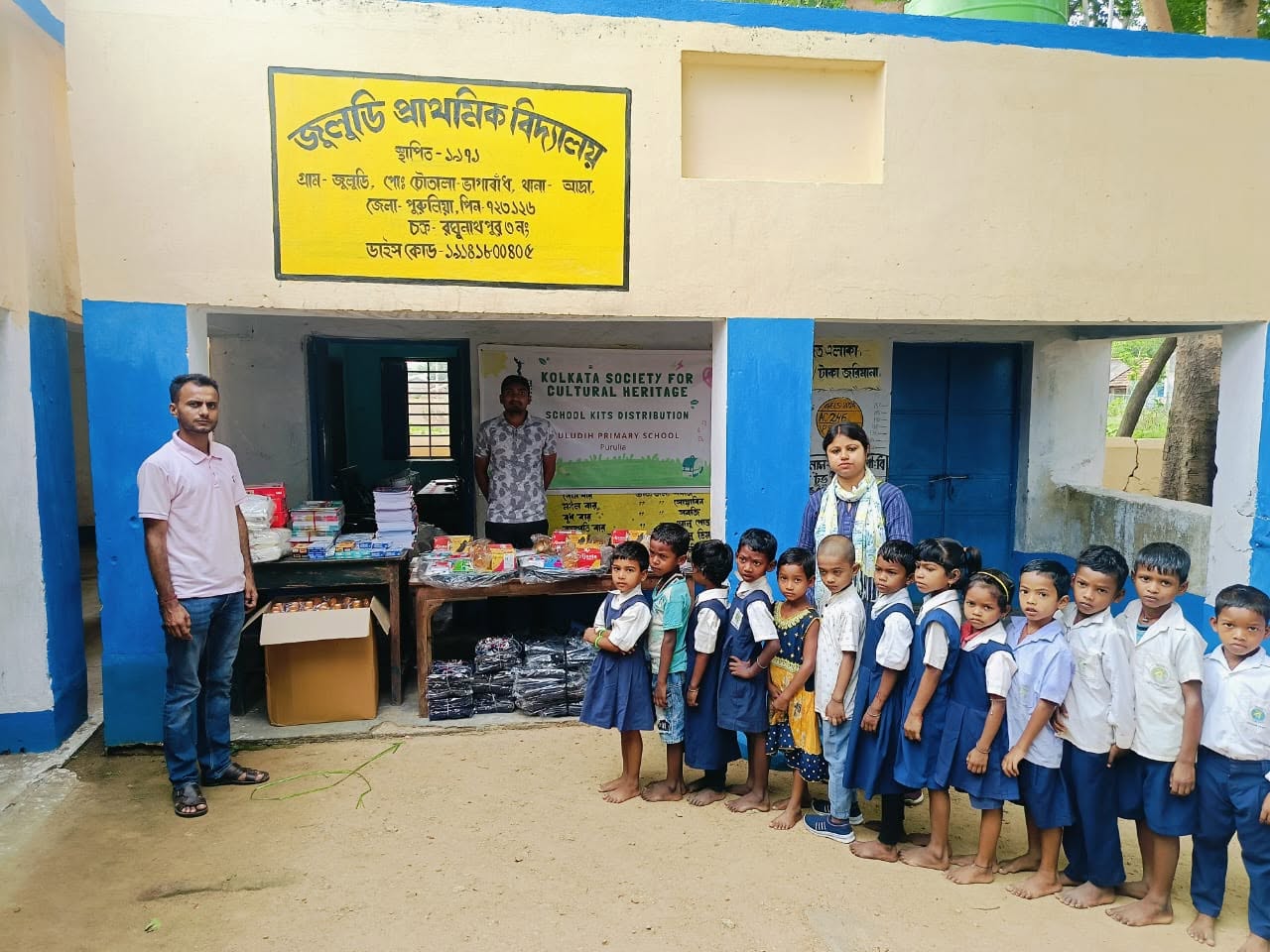
At Juludih Primary School, KSCH distributed bags, notebooks, stationery and shoes to underprivileged children — removing everyday barriers to regular school attendance.
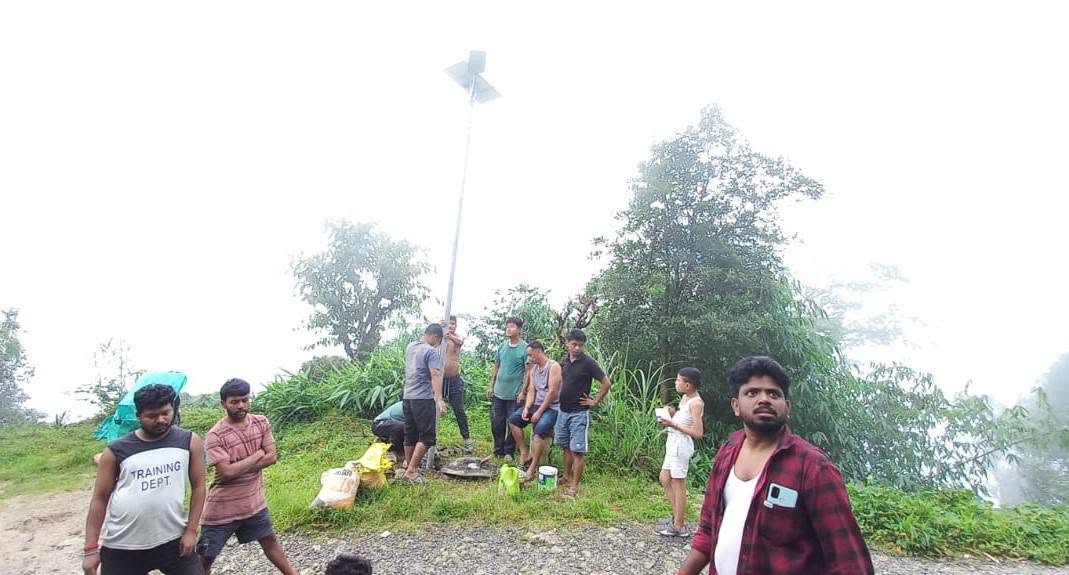
KSCH adopted a remote Himalayan village of nearly 200 families, combining livestock sheds, capacity-building, cultural space restoration and solar street lighting into an integrated rural development model aimed at sustainable village tourism.
From mangrove saplings planted to lives touched through relief and healthcare — see our reach in numbers.